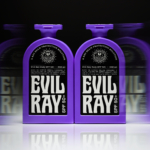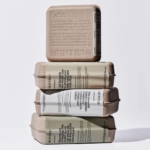
Luxury beauty has always sold a feeling long before it sells a formula. Anticipation shows up in the weight of a jar, the finish on its surface, the small moments when a product is opened. Details that have shaped the category for years.
Consumers still want the whole shebang, and that bathroom-shelf trophy moment remains part of the appeal. Packaging that looks elevated at home and makes an impression the moment it arrives or appears online.
Behind this sits a growing issue. The industry produces around 120 billion units of packaging every year, with a significant share ending up in landfill. The cues that once signalled quality are starting to work against brands.
Luxury packaging carries meaning that is hard to shift. Tiffany’s blue box, Chanel’s perfume cartons and Harrods carrier bags operate as cultural fixtures as much as brand assets. Changing them can feel like tampering with the brand itself.
That hesitation has slowed progress. There is still a belief that sustainable materials cannot deliver the presence, tactility or finish luxury relies on, and that they will always read as compromise. The evidence is beginning to challenge that.
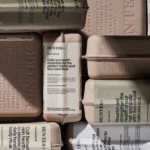
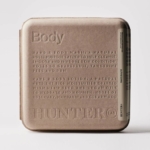
Hunter Lab offers a useful reference point. Working with Montague Brand Agency, the team developed packaging using sugarcane bagasse, wheat straw and recycled paper. It breaks down within weeks yet still carries intent and craft. The sense of luxury comes from design judgement rather than the volume of material used.
Luxury brands now sit at a crossroads. Sustainability has moved from bonus to baseline. Those clinging to ribbons, pull-tabs and decorative excess risk looking out of step.
Responsibility is increasingly part of how quality is judged.