Ask people if they like the idea of refill and most will say yes. Watch how they actually shop and you see a different story, both in store and at home.
On the shelf, the pieces are in place. The fixtures are there. The messaging’s there. Yet shoppers keep walking, driven by a perception that refill takes longer and asks more effort than picking up a standard pack.
That perception usually comes from experience. Refill sounds good until it soaks your countertop, jams your pump, or slows your shop. One awkward spill is often enough to push people straight back to single use.
The data reflects that gap. York University’s Circular Innovation Hub found that across 22 categories, willingness to use refillable packaging consistently outscored the likelihood of actually using it, with the biggest gaps in personal care and cleaning. City to Sea and Re found 69% of consumers are open to returnable packaging if it’s nearby. The gap between “sounds great” and “works for me” is where refill stalls.
That matters because the environmental maths don’t bend. Reuse only pays off when people keep coming back, yet most models lose momentum long before the carbon or cost curves turn. When refills are messy and often no cheaper once deposits apply, hesitation wins.
Commercial research reinforces the same reality. McKinsey’s 2025 work shows price, quality, and convenience still lead, and the gap to sustainability has widened since 2020. PwC puts willingness to pay a sustainability premium at 9.7%, but that drops fast once deposits, complexity, or inconvenience appear.
Seen through that lens, Loop becomes a useful case study. Launched in 2019 with major brands, major retailers, and nearly 100,000 consumers on the US pilot waitlist, it shut down in the US and UK. Deposits, returns, and cleaning added cost and time, and it never fit naturally into a standard shop. It continues in France, where deposit systems and retail infrastructure already support reuse.
Pressure from regulation is increasing. PPWR applies from August 2026 with reuse targets and stricter definitions. But regulation doesn’t help someone standing over a sink trying not to miss a narrow opening, or dealing with a slippery bottle in the shower.
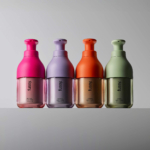
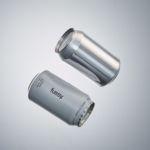
That’s where design has to step in. This is the space Beta Design x Fussy operates in, removing friction rather than asking people to tolerate it. Aluminium refills drop straight in, keeping the experience familiar and quick.
They’ve carried that thinking through into hand wash, launched in January 2026 through Boots and Sainsbury’s. Built around the same Twist, Pop, Wash system, with aluminium refills and a bottle made to last.
It underlines a simple reality. Refill only holds when the experience holds. Good intentions, new rules and clever campaigns can’t make up for a design that asks too much.
When people walk away from refill, it’s often the pack or system that needs rethinking, not the shopper.