America in the 1970s had a tea problem.
People drank plenty of iced tea, but hot tea was still mostly what your grandmother reached for when she had a cold. That left space for something new
At the same time, the natural foods movement was gaining momentum. Health food stores, co-ops and alternative cafés started shaping a different way of eating and drinking. Herbal tea came with it.
In 1969, Mo Siegel and friends hiked into the Rocky Mountains and picked wild herbs by hand. They packed them into simple muslin bags and sold them from the back of a car. That became Celestial Seasonings, the brand that defined American herbal tea and helped build a category that barely existed.
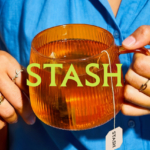
Three years later, in Portland, Oregon, Steve Lee, Dave Leger and Steven Smith set up in the basement of a Victorian house with 7,000 dollars and a vision. Stash Tea began by supplying loose herbal teas and bulk herbs to natural food stores. The name came from maritime folklore, where captains kept the best teas for their own stash.
When customers started asking for tea bags in 1975, Stash moved quickly, helping bring herbal tea into a more accessible format.
Around the same time, Celestial leaned into playful illustration. Yogi Tea, launched in 1973, arrived with henna-inspired graphics that looked nothing like the Tetley and Lipton packs on supermarket shelves..
By the 1980s, herbal tea was moving into the mainstream and brands shifted with it. Celestial eased away from its counterculture roots as the category grew. By 1987, it was big enough for Bigelow and Lipton to launch their own lines.
What started with hand-picked herbs turned into an industry, with natural foods moving from the margins into the mainstream.
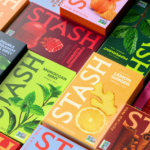
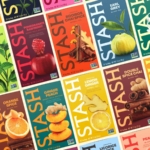
Fast forward to 2026. Stash Tea worked with Herman-Scheer on a brand refresh, with a brief to modernise for a health-conscious, social media-aware audience without losing the legacy that gives the brand its authority.
As herbal tea moved into the mainstream, much of the category settled into familiar wellness cues and softer visual language. The redesign pushes in the opposite direction. Bigger flavour cues, stronger colour and typography that puts the blend front and centre.
The result feels closer to the category’s early years, when herbal tea brands were making their own rules rather than following everyone else.
From a basement operation in Portland, Stash now offers more than 200 blends across multiple markets. The new system brings that history into contemporary retail without losing what made it distinctive.
American tea in the 1970s sat outside traditional definitions, built by people who didn’t know the rules and didn’t care to follow them.
More than fifty years later, the packaging finally matches that same energy.