Ever wondered what happens when samurai meet samba in the oven?
Mirá is an artisanal bakery in São Paulo where Japan and Brazil rise together at 180°. Japanese fermentation techniques meet Brazilian ingredients, blending memory, research and haute cuisine with fresh flour and fresher ideas. Rio-based Estudio CRU was tasked with turning all that into an identity without making the place look like a themed restaurant with a sourdough starter.
There’s a lot more behind the combination than culinary curiosity
Brazil is home to more than two million people of Japanese descent, the largest Japanese diaspora outside Japan. Immigration began in 1908 and left a lasting mark on São Paulo’s food culture as families adapted familiar methods to local ingredients. They made miso and soy sauce, pickled papaya, watermelon and chayote, creating food shaped by heritage and necessity.
Mirá continues a conversation that has been cooking for more than a century, and Estudio CRU has drawn on that history without reaching for the usual cultural symbols.
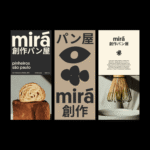
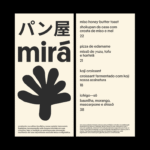
The identity uses organic, fluid and deliberately irregular forms, taking inspiration from the repetition and variation of baking itself. The same recipe never produces two identical loaves, and the shapes can change from one application to another while remaining recognisably Mirá.
Nikkei Maru, the typeface used in the identity, has its own connection to Japanese immigration across the Americas. Inspired by lettering found on immigrant-run shops, restaurants, hotels and other small businesses, it brings some of that everyday history into the bakery without resorting to obvious cultural symbols.
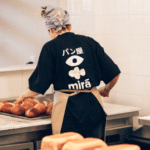
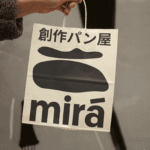
Japanese text identifies Mirá as a creative bakery, while oversized Latin typography, generous spacing and earthy colours give the identity its contemporary character. The photography gets close to the food, with bread looking almost geological in cross-section. Matcha whisks receive the sort of attention normally reserved for fine jewellery.
Cultural fusion branding can easily become a collection of recognisable symbols from two countries, with little thought given to how those cultures actually came together. There’s much more to explore in the techniques, ingredients and traditions that people have shared and adapted over generations.
After all, nobody wants two traditions sitting awkwardly beside one another like strangers at a wedding.
What else deserves to be baked this way?