Gaming Goes Goblin-mode
Opinion by Emily Gosling Posted 5 March 2026
Remember the heady days of 2022, as we emerged blinking into the light in a cautious post-pandemic haze – confused, slightly heavier, wondering whether we should cancel Disney+ now that going out was sort-of-possible? It was then that The Oxford Languages Word of the Year (well, two words if we’re being pedantic, which is surely an approach the famous dictionary-pedlars would welcome) was “goblin mode”. And that made sense.
Defined as a “type of behavior which is unapologetically self-indulgent, lazy, slovenly, or greedy, typically in a way that rejects social norms or expectations”, it’s all quite appealing in some ways. Indeed, in recent years there’s arguably been a quiet, but palpable and persistent movement of goblins out of the realms of pure nerdery and towards a more generalised appreciation; gently shifting into the role of innumerable poster-creatures for a faintly nihilistic zeitgeist that’s both timeless and weirdly contemporary zeitgeist.
Take ‘goblincore’ – an aesthetic not too unlike other ‘cores’ like ‘cottagecore’, or the adorably but ridiculously named ‘gorpcore’ (“good ol’ raisins ‘n’ peanuts” – but of course) – characterised by, as far as I can tell, a sartorial and attitudinal alignment with stuff like moss, mud, voles and general woodland ephemera.
Goblincore apparently boomed in 2021, if The Guardian is anything to go by, but seems to have shown no signs of abating amongst ‘the youth’, who often appear to be uniformly dressed as though they’re driving the family to a cottage with no TV somewhere in Hereford for the weekend.
From my own solipsistic viewpoint, I’ve honestly had more conversations about goblins in the last two months than in the rest of my entire life, thanks to a couple of people who look quite cool on the outside but apparently have Games Workshop-employee-strength opinions on the creatures. One – a seemingly normal man in his mid-40s (you know, with an actual useful job and a nice haircut and stuff) – argues that they’re proliferous cannon fodder, so daft and hyped up and irrationally aggressive that they often end up killing their own troops. The counterargument (from another more-than-socially-adept man who genuinely doesn’t look/smell like someone with, say, a Star Trek VHS collection or lifelong lack of girlfriend) is that sure, goblins might be plentiful and livid; but they’re not to be underestimated: actually, they’re so smart they can make their own weapons. Suck on that, orcs.
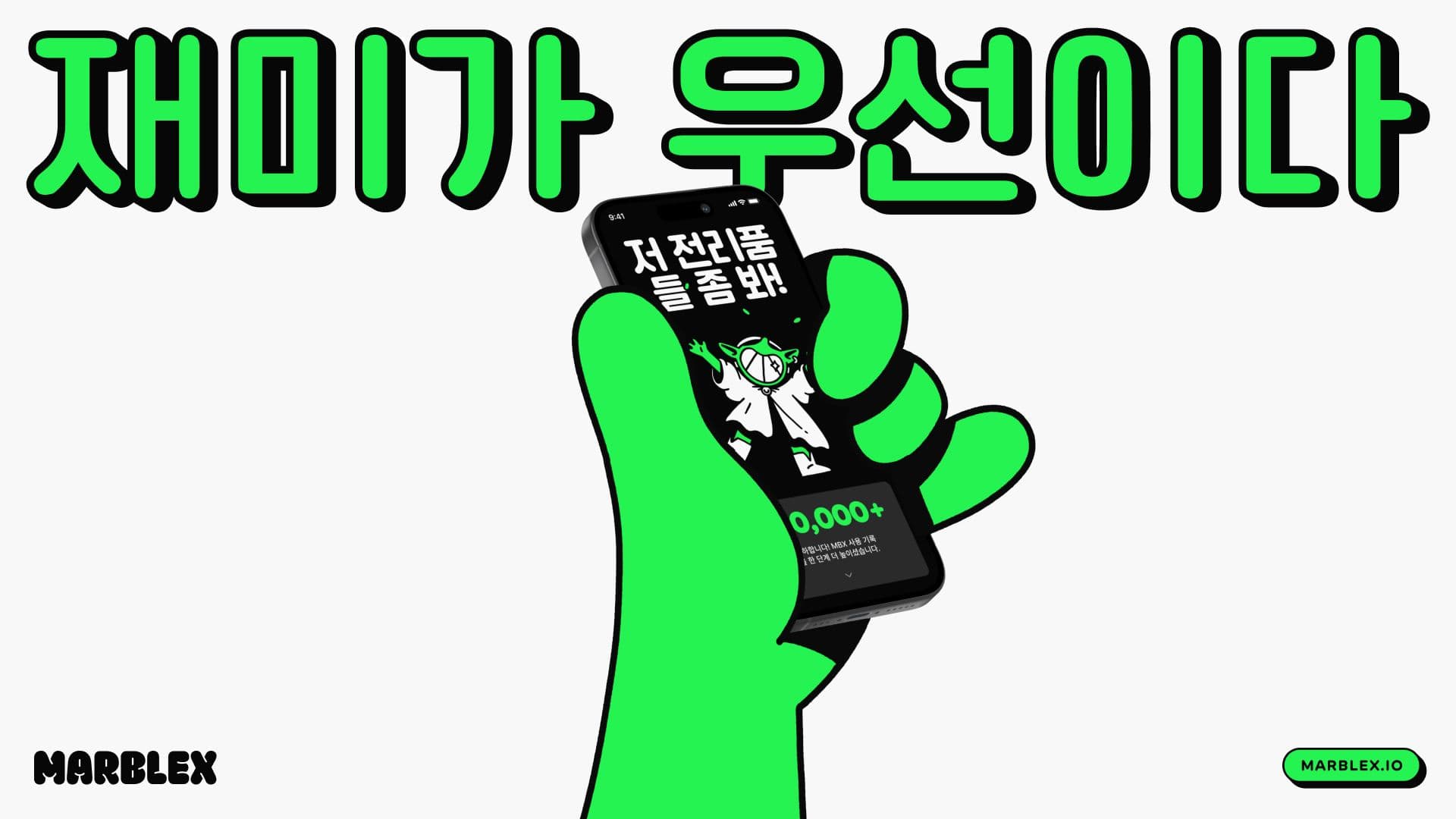
Things have actually been goblins galore once you start to pay attention to them, it turns out. But why is that relevant here? Because it’s high time the world of brand design paid goblins their dues, as has been done with absolute aplomb here in this fantastically, perfectly garish work for Marblex by Koto (Uniqode, Fluz, De-Extinction).

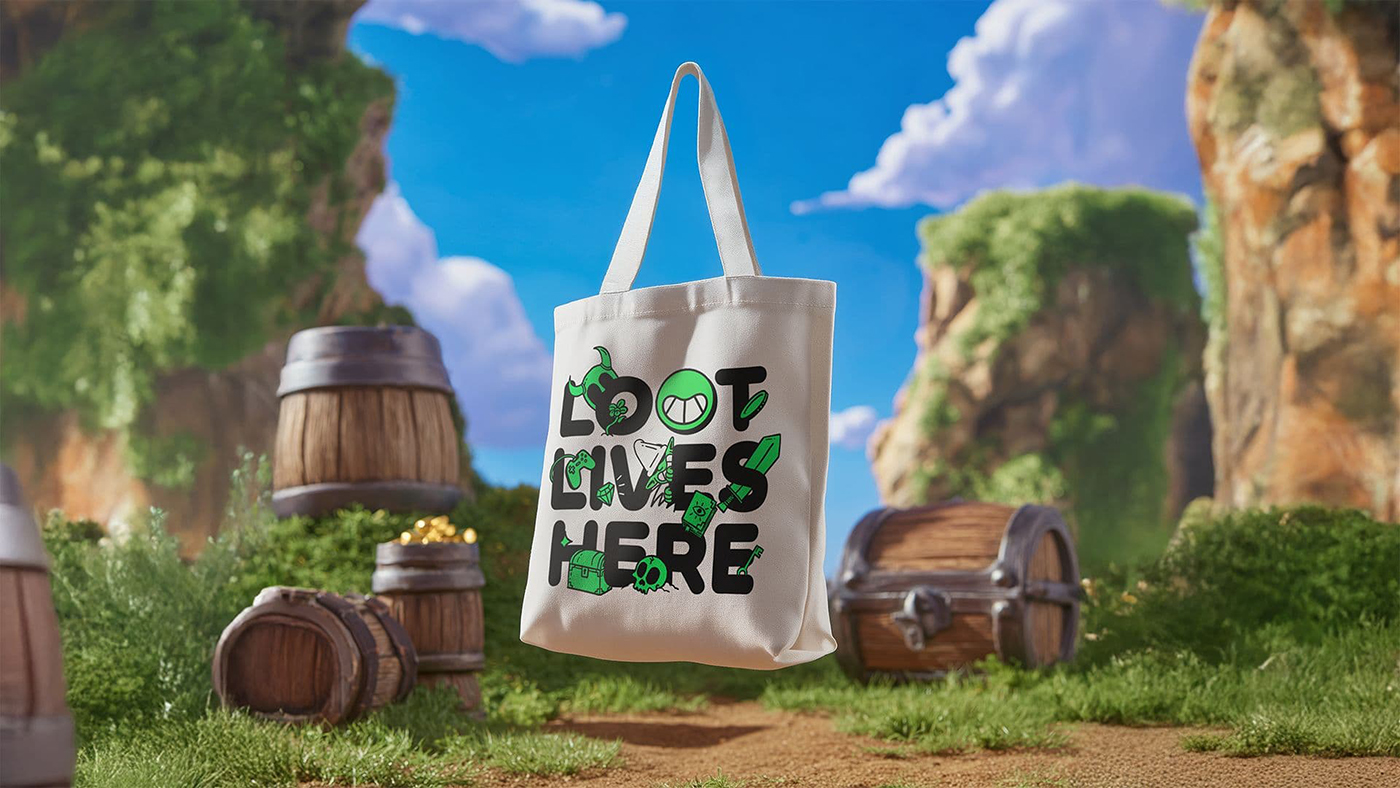
Marblex was originally founded in 2022 by South Korean game developer and publisher Netmarble with the bold aim to become the leader in blockchain gaming. I’m not 100% confident I know what that is, but it’s definitely technically complex. Clearly that’s a boon in this sector, but only to a point: Marblex’s original focus on technical development meant that its brand identity got rather lost in a sea of things like Web3 mechanics, NFTs (remember them lol), blockchain processes, tokens, and all that stuff.
Marblex almost seemed to forget that it was a game: “By fixating on functionality, the brand lost sight of a critical truth: Gaming is supposed to be fun,” says Koto.
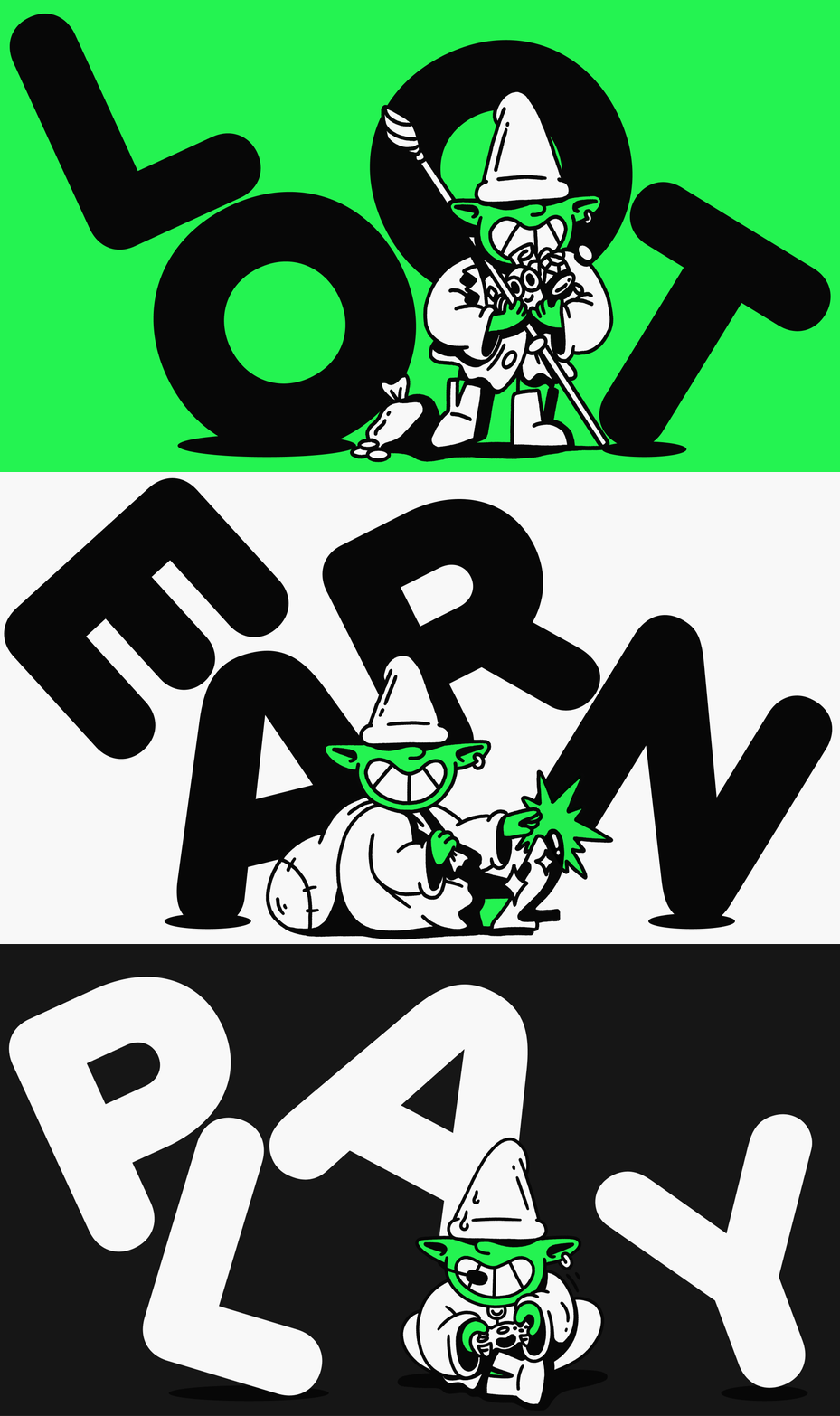
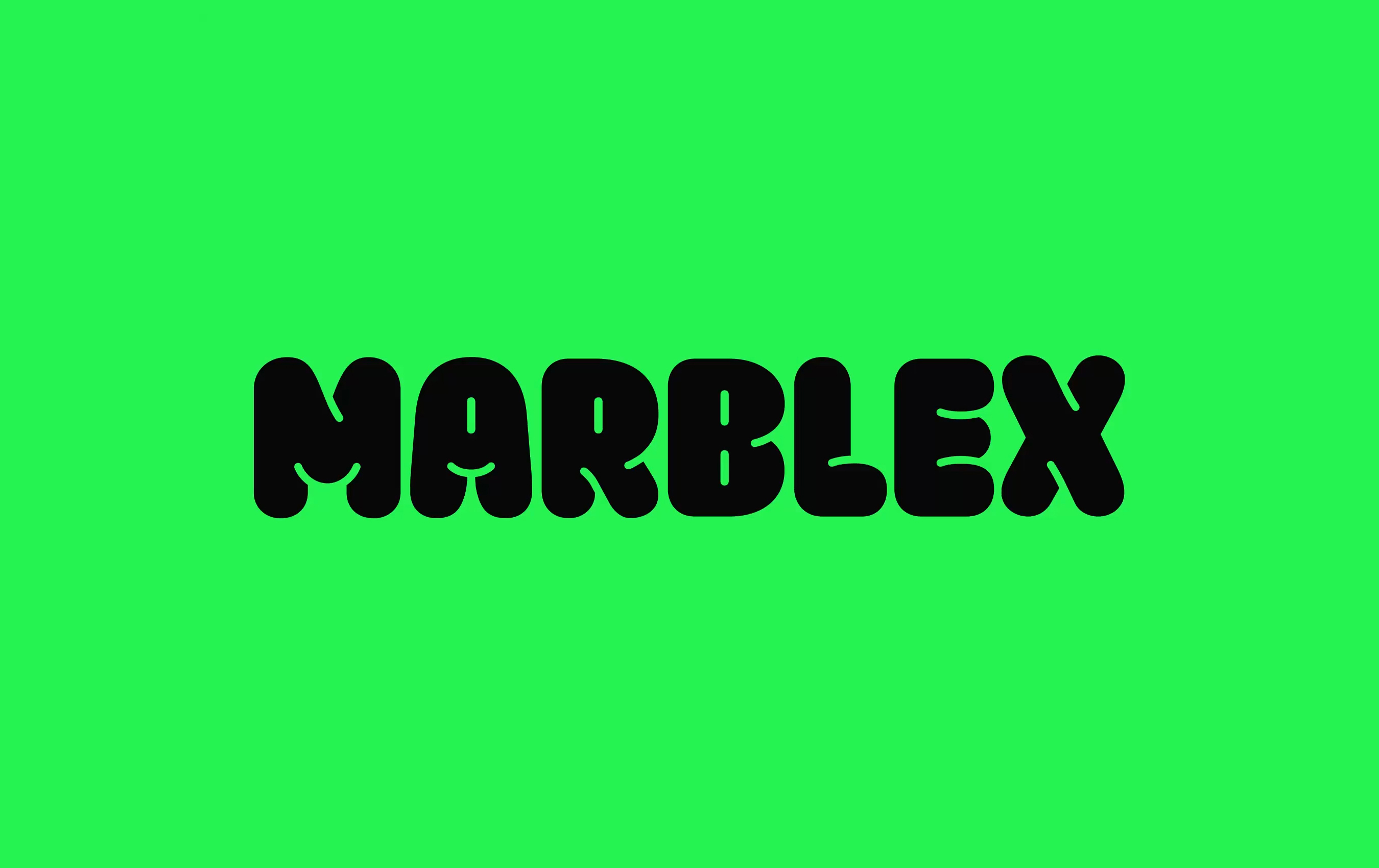
As such, the crux of the project was all about “putting the fun back into WEB3 gaming” – and whatever you know or don’t know about what that actually is, there’s absolutely no doubt that this branding is resolutely, completely, joyfully fun. I’m no gamer, but I absolutely love it: the dazzling glare of the once-Billie Eilish-beloved terminal green; the weird, cute, chubby-lettered wordmark; and best of all, those little characters. Namely, that gorgeous, roguish goblin.
Koto formulated a strategy based around the brand idea “Playgrounds for the Imagination”, which “completely shifted the emphasis from the how to the why […] the brand’s narrative from technology to experience,” according to the studio.
“It reframed how Marblex is helping to bridge often disconnected gaming experiences into a wider ecosystem,” Koto says, adding that it helped Marblex “re-engage its community by leading with emotion and insight.”
And who better to imaginatively play in said playground than – you guessed it – a goblin. Koto deliberately chose this infamous archetype as the central branding element for a few reasons: in part, it’s because goblins are such a “familiar face” when it comes to fantasy and gaming, and equally thanks to their delicious inherent mischievousness.

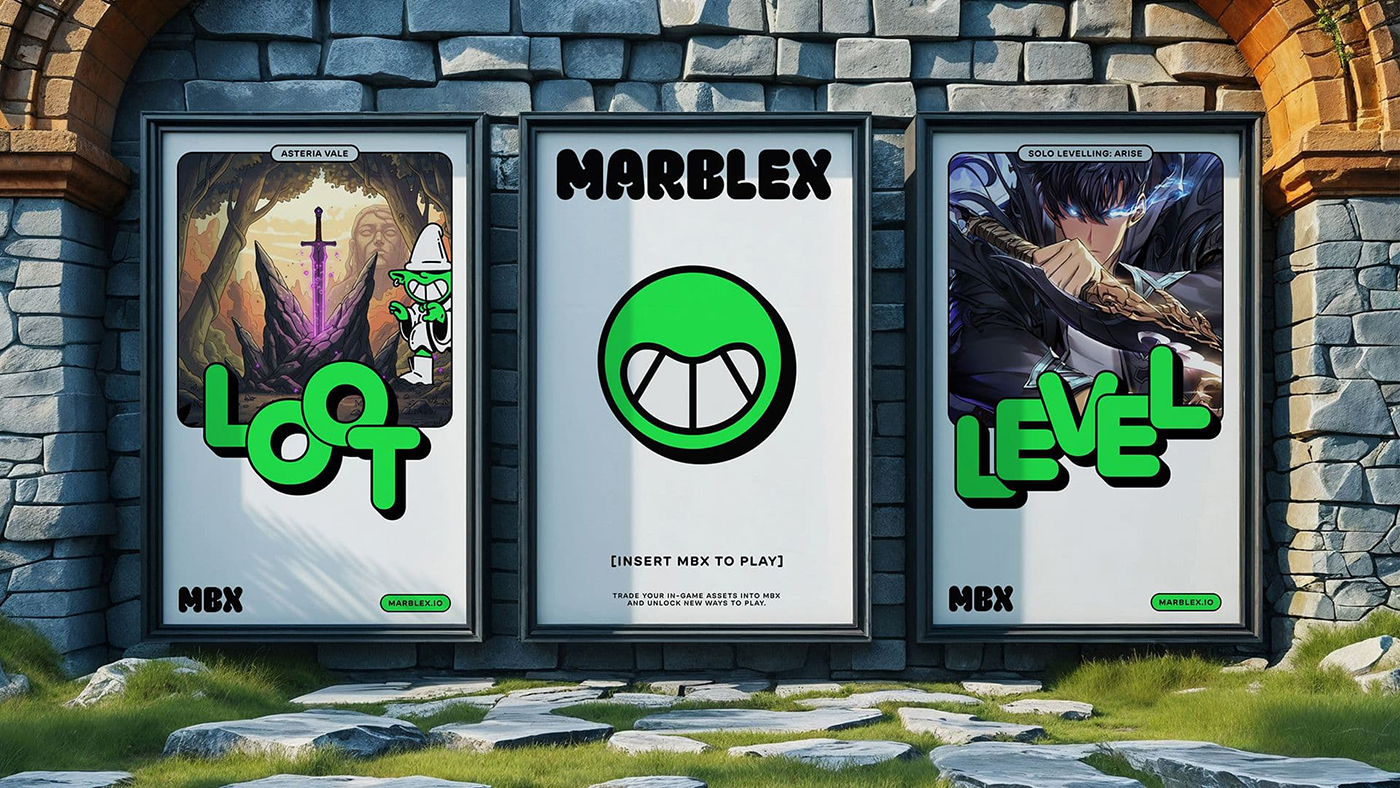
For Marblex, our goblin is called – perhaps less imaginatively – Goby. While I’m not exactly au fait with the nuances of Web3, the obvious complexities of such a gaming platform make this, I’d argue, a very smart move indeed: by using something faintly ridiculous (but so skilfully articulated) as the figurehead for a brand already renowned for its technical capabilities, Marblex suddenly exudes confidence. Goby shows that Marblex doesn’t need to show off about its technicalities and innovations – it’s done that, and now it’s properly playtime.
Goby by name, gobby by nature – naturally this wee sprite pulls no punches, and as Koto points out, he’s “an unexpected choice to lead a complex Web3 ecosystem, yet perfectly suited to cheekily embody the freedom, joy, and indulgence of gaming”.
What’s very smart about the overarching brand identity is that it gives the sense that Goby is the sort of cheeky wee overlord of all that too: his own colouring (neon green, black, and grey) dictates that of the rest of the brand; his register (or that which we’d imagine he’d speak in) becomes the brand copy tone of voice. If a goblin was tasked with creating a typeface, it’s easy to believe they’d design one like this wordmark – big, stomping, chunky, with weird bits in all the right places – clearly telling us exactly who and what the whole thing is but with a hint of ‘hey, why so serious?’ about it.

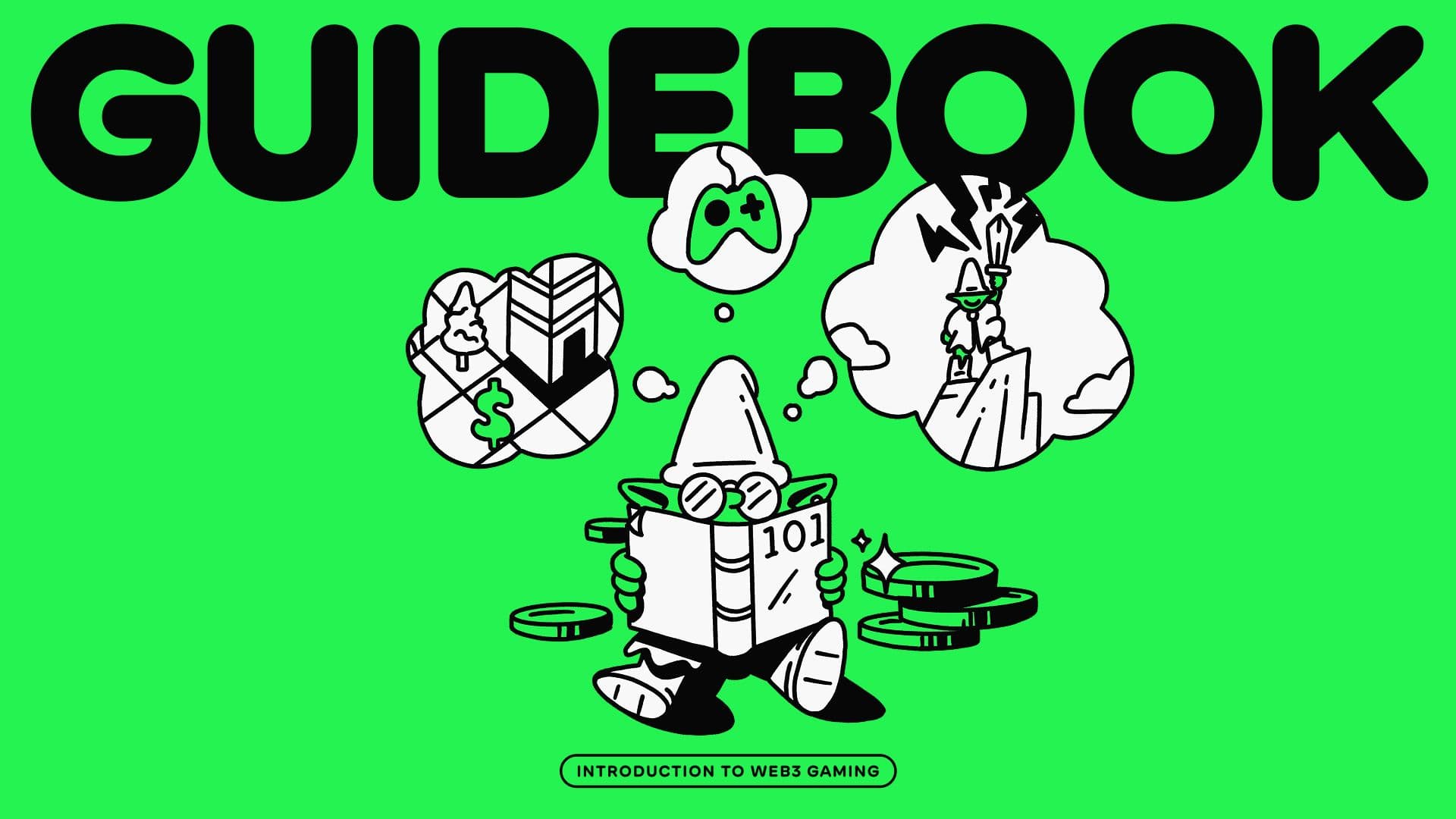
Goby also acts as the sort of de facto creator of the rest of the illustrated world, with Koto creating a suite of equally charming, dynamic little icons, creatures, and other graphic elements that resemble him in both physical appearance and brand tone of voice.
Where things are forced to be a little more in the ‘real world’, Koto opted to use GT Maru by Swiss foundry Grilli Type, which feels very befitting of gaming environments in its letterforms inspired by Japanese construction site signage. It’s a little bit quirky, but totally clear, and thoroughly legible – Swiss restraint peppered with thoughtfully placed idiosyncrasies.
Even if, like me, you’re – in the parlance of young people (I think), a total n00b when it comes to gaming, and that’s putting it politely – everything about this brand identity feels like you could play it.
It’s all the things branding is meant to be – ownable, unique, eye-catching, just the right amount of disruptive – it truly surprises and delights at every turn. But it achieves all that in a way that so perfectly sees form follow function; goblin follow game.