Where fallow deer roam
Opinion by Emily Gosling Posted 9 April 2026
Deer feel like unlikely ambassadors/ mascots/ PosterCreatures for olive oil, but it turns out they work brilliantly – when, that is, in the superlatively capable hands of a studio like SMLXL.
Said olive oil is D’arbequina, a name which more broadly simply refers to the sort of plant from which the oil is produced: Arbequina is a widely cultivated olive variety known for its small, symmetrical fruit and distinctive aroma. The olives are typically dark brown, with a rounded tip and a broad cavity where the stem attaches.
Originating in Catalonia, Spain, it is also grown in regions such as Aragon and Andalusia, as well as in countries including the United States (particularly California), Argentina, Chile, Australia, and Azerbaijan. In recent years, Arbequina has become one of the most prominent olive cultivars globally, largely due to its suitability for highly intensive, super high-density farming systems.
So far, so normal, so global, so not-that-extraordinary. So how to really make one particular olive oil stand out against the crowd? What makes it so different, so special? Well, that brings us back to the deer.
The D’Arbequina product that SMLXL (the team behind the excellent HotDog branding) was tasked with designing the packaging, brand identity and art direction for is created in Els Batallosos, a small olive farm “where fallow deer roam freely among the trees,” according to the studio.
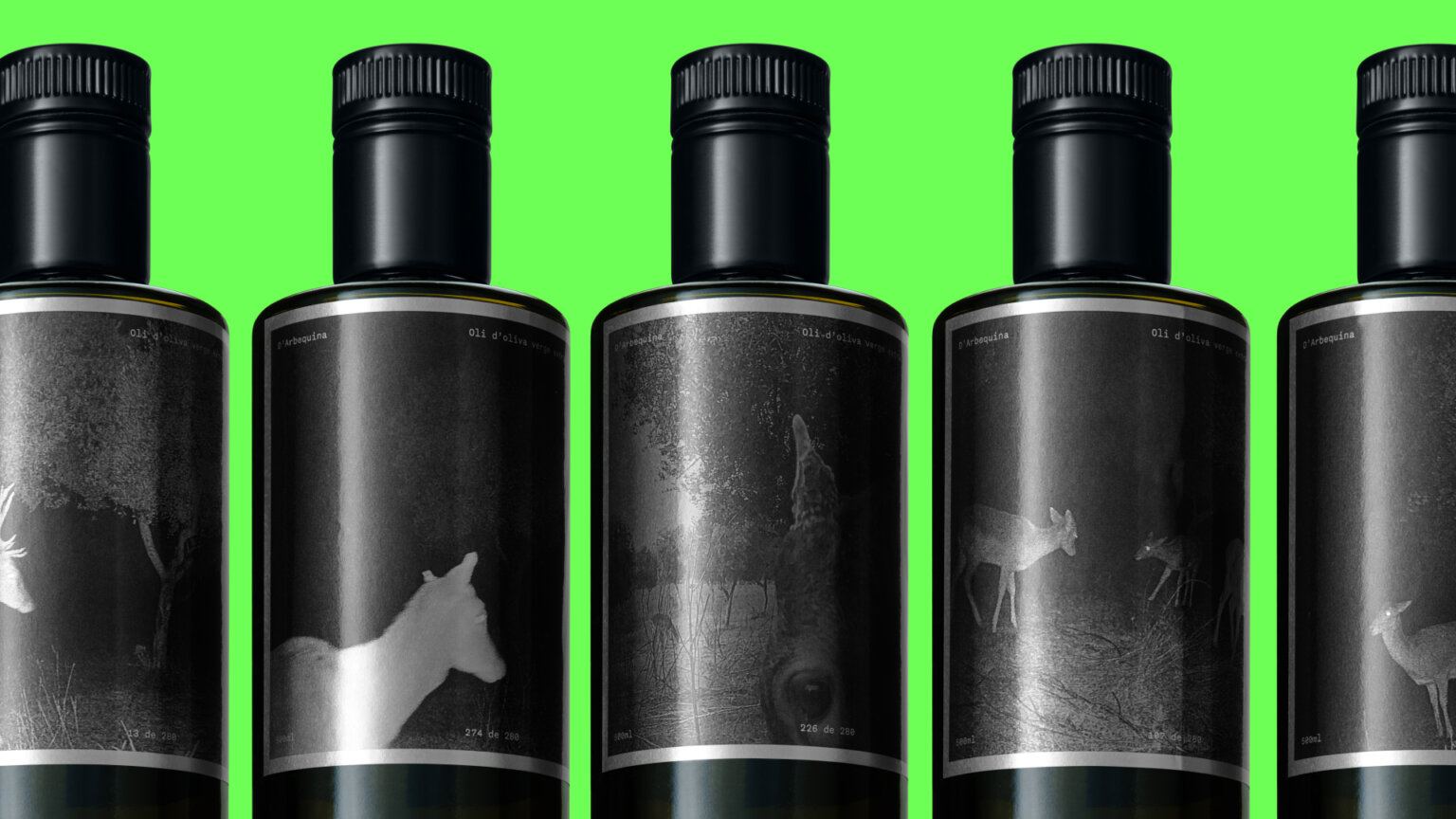
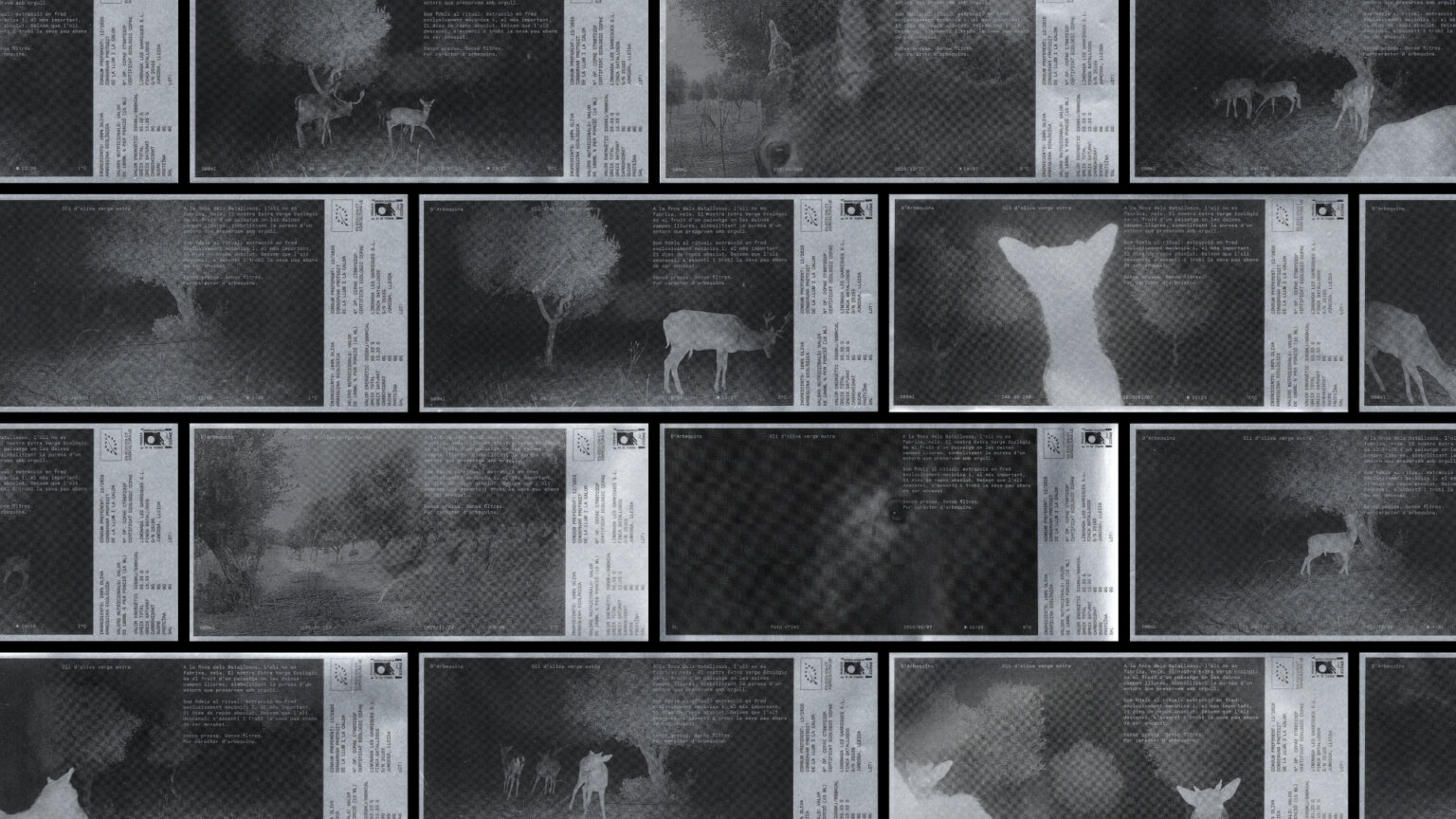
SMLXL continues, “Here, nature sets the pace – and the harvest. Minimal intervention, maximum respect for the land… Following this same principle, the labeling system originates from tools already present on the farm. Motion-sensor cameras, typically used to observe the deer, became the instrument to capture the landscape”.

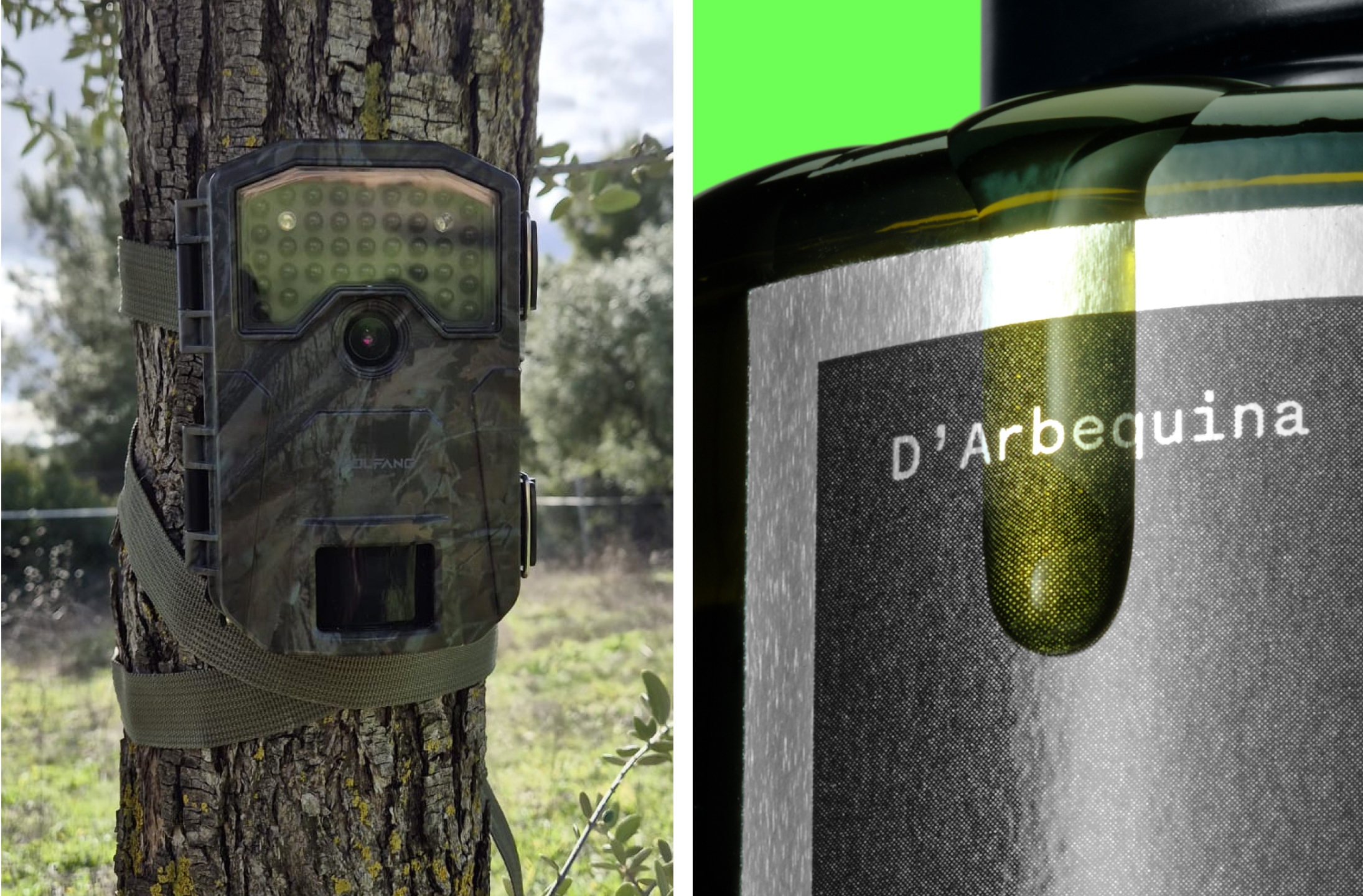
What an absolutely ingenious solution. What better way to demonstrate uniqueness than with weird, monochrome, eerie footage of the exact spots, almost in realtime, that make this place so distinctive? Why default to golden yellows, Mediterranean cliches, tried and tested foodie tropes, when you can make something in night-vision, that’s as spooky as it is smart – as much a low-budger horror movie still as a piece of brand design?
These motion sensor cameras were placed in very precise locations as defined by the SMLXL team, deliberately selecting points where the “deer interact with the olive trees and where the territory reveals itself most directly,” the studio explains.

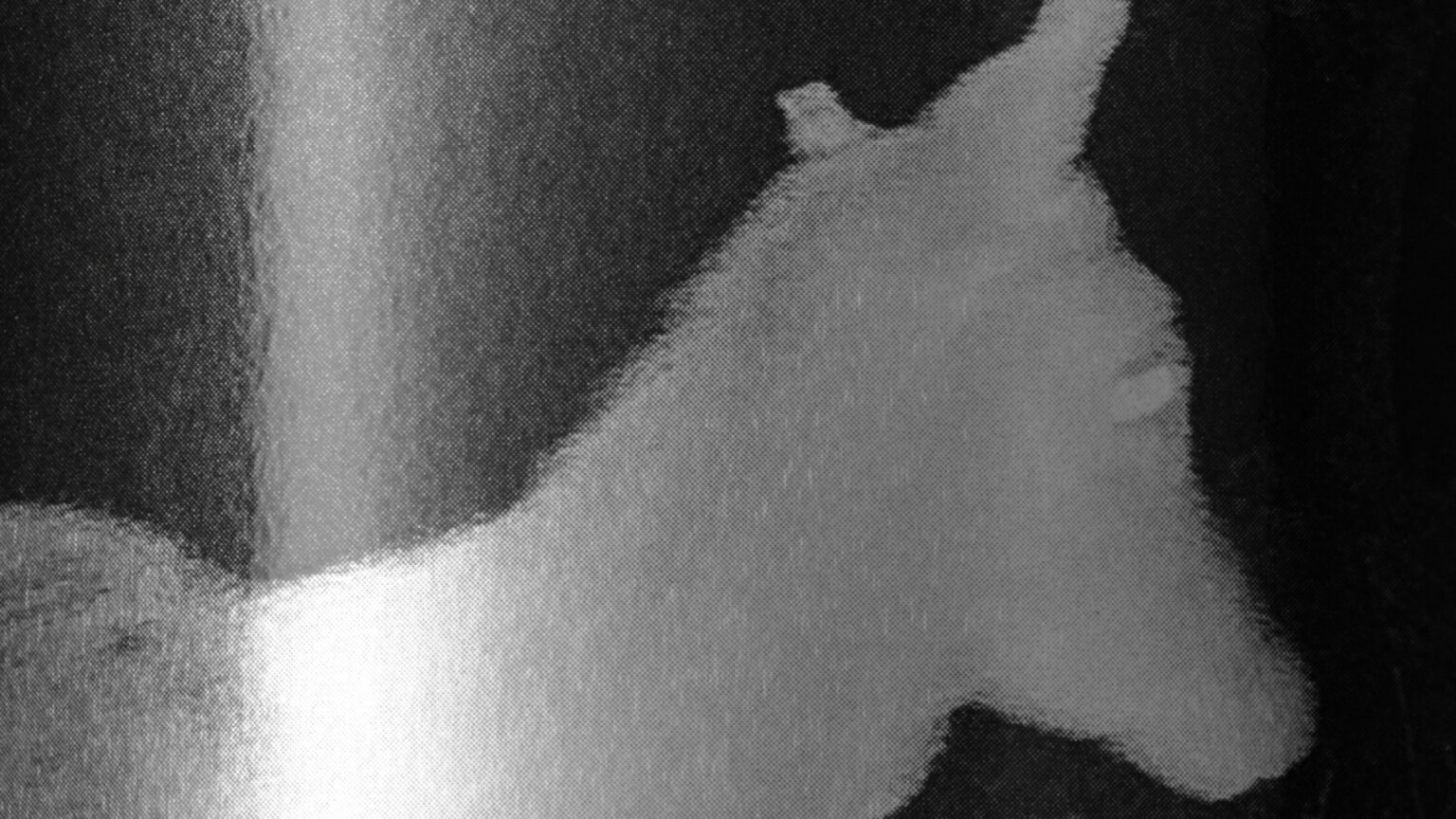
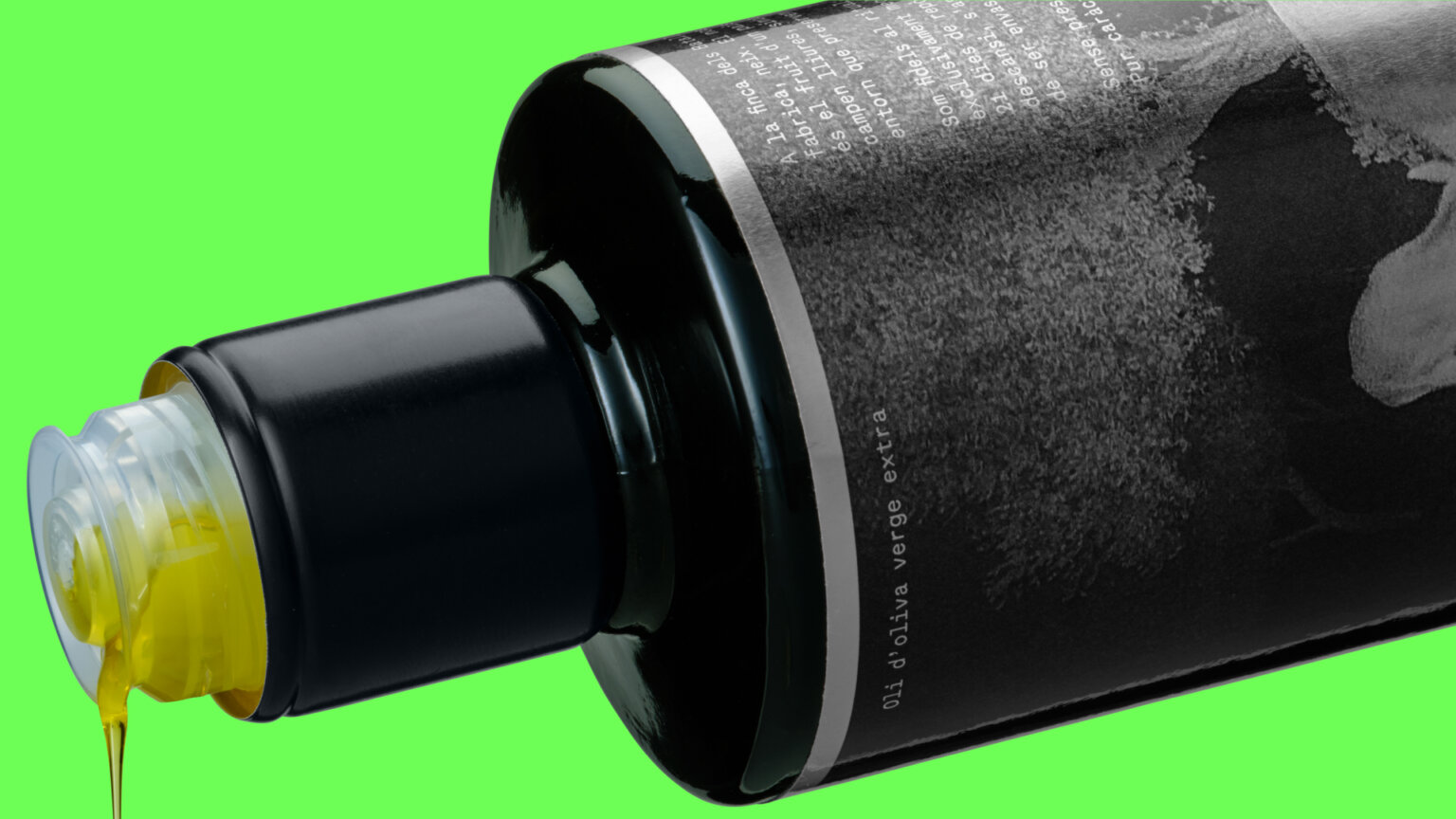
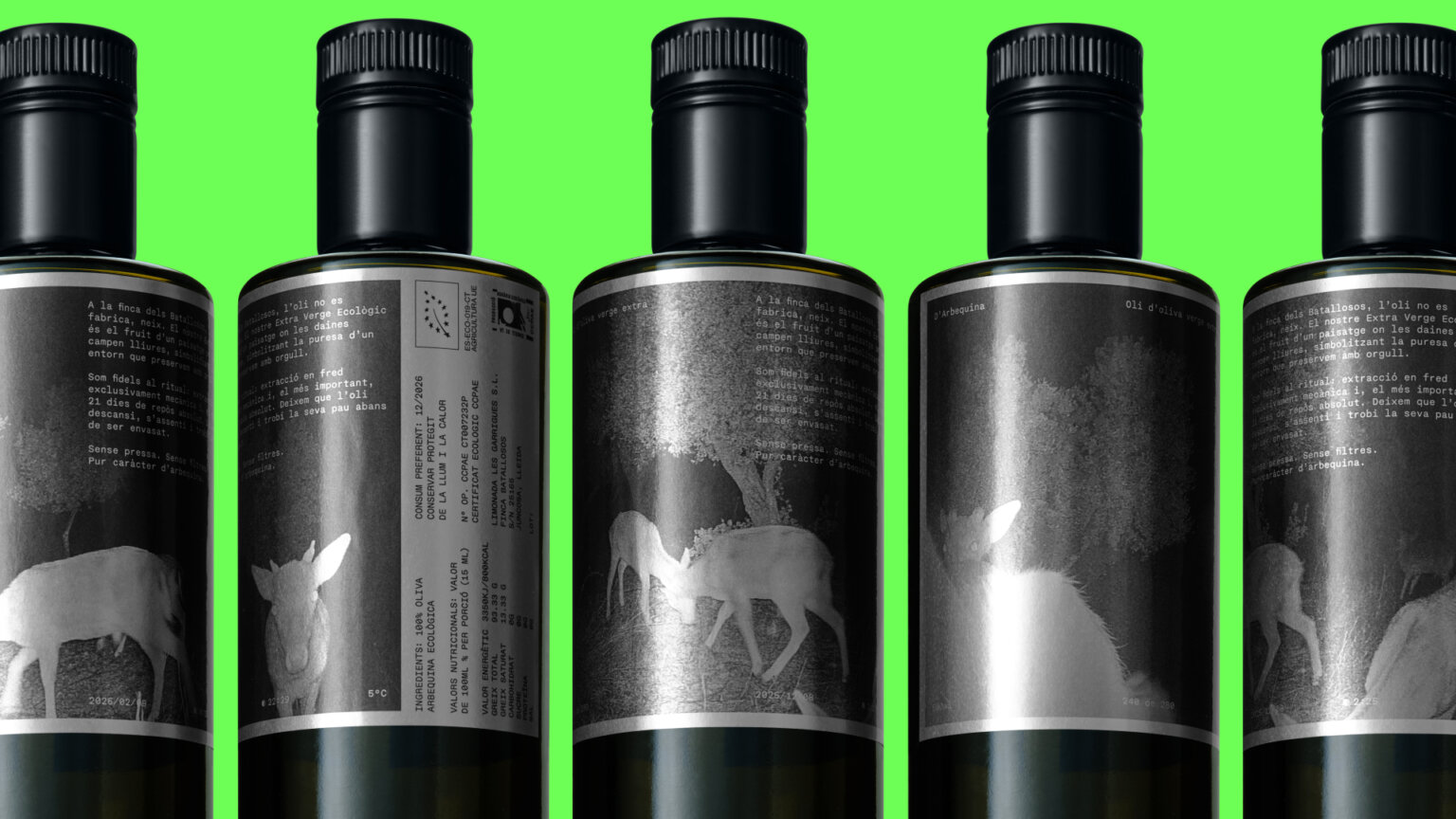
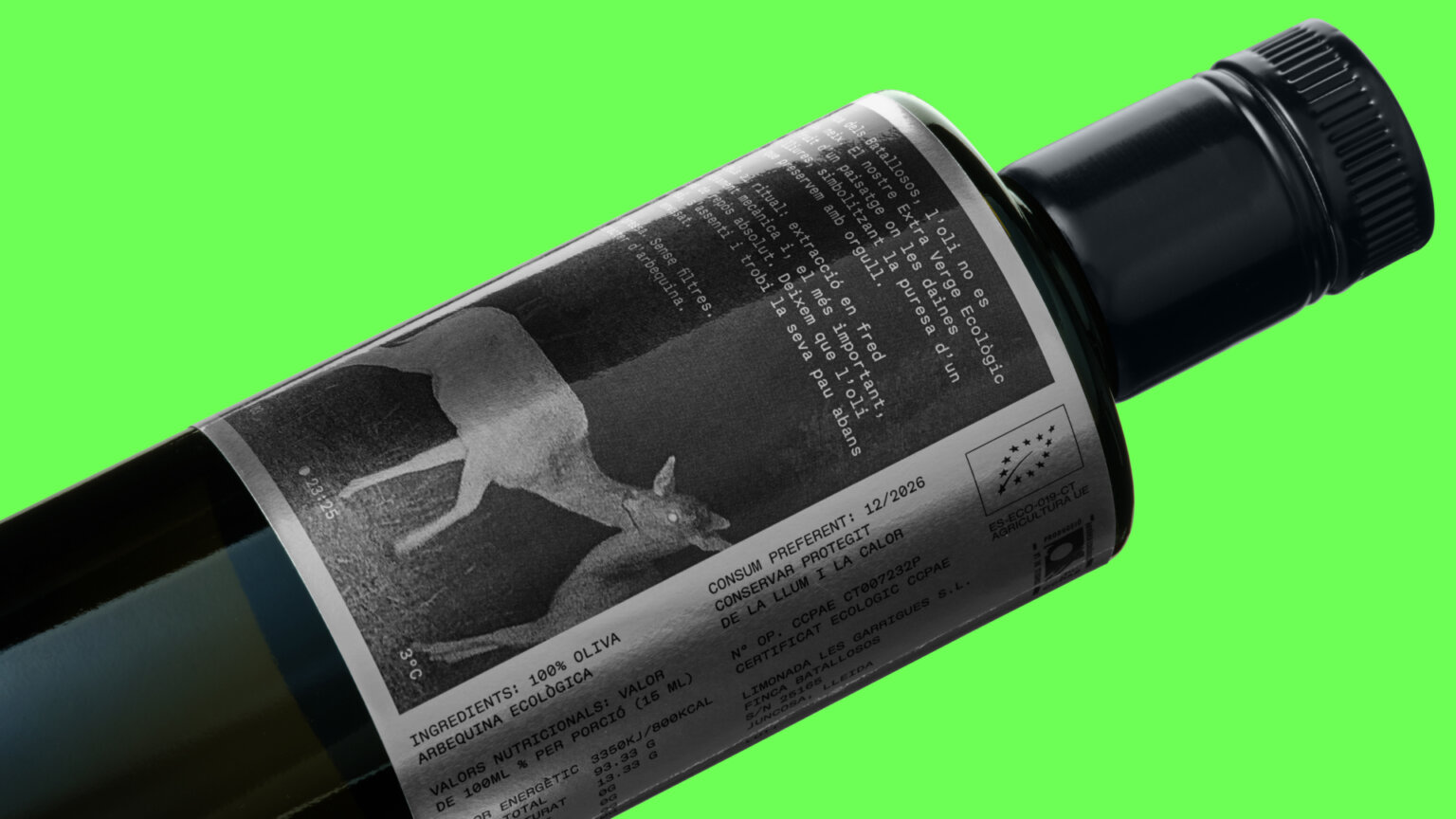
Then, over the course of three months, these cameras recorded “spontaneous images of the farm, without human presence or intervention…,” SMLXL explains. “The labels are built directly from these images, preserving their original format and proportions. Each bottle features a unique photograph — a real moment from the place it comes from. The data associated with each capture — time, temperature, and lunar cycle — is incorporated into the label, revealing the conditions that define each harvest.”
This particular identity design will grace the first production yield, a limited edition of just 280 bottles.
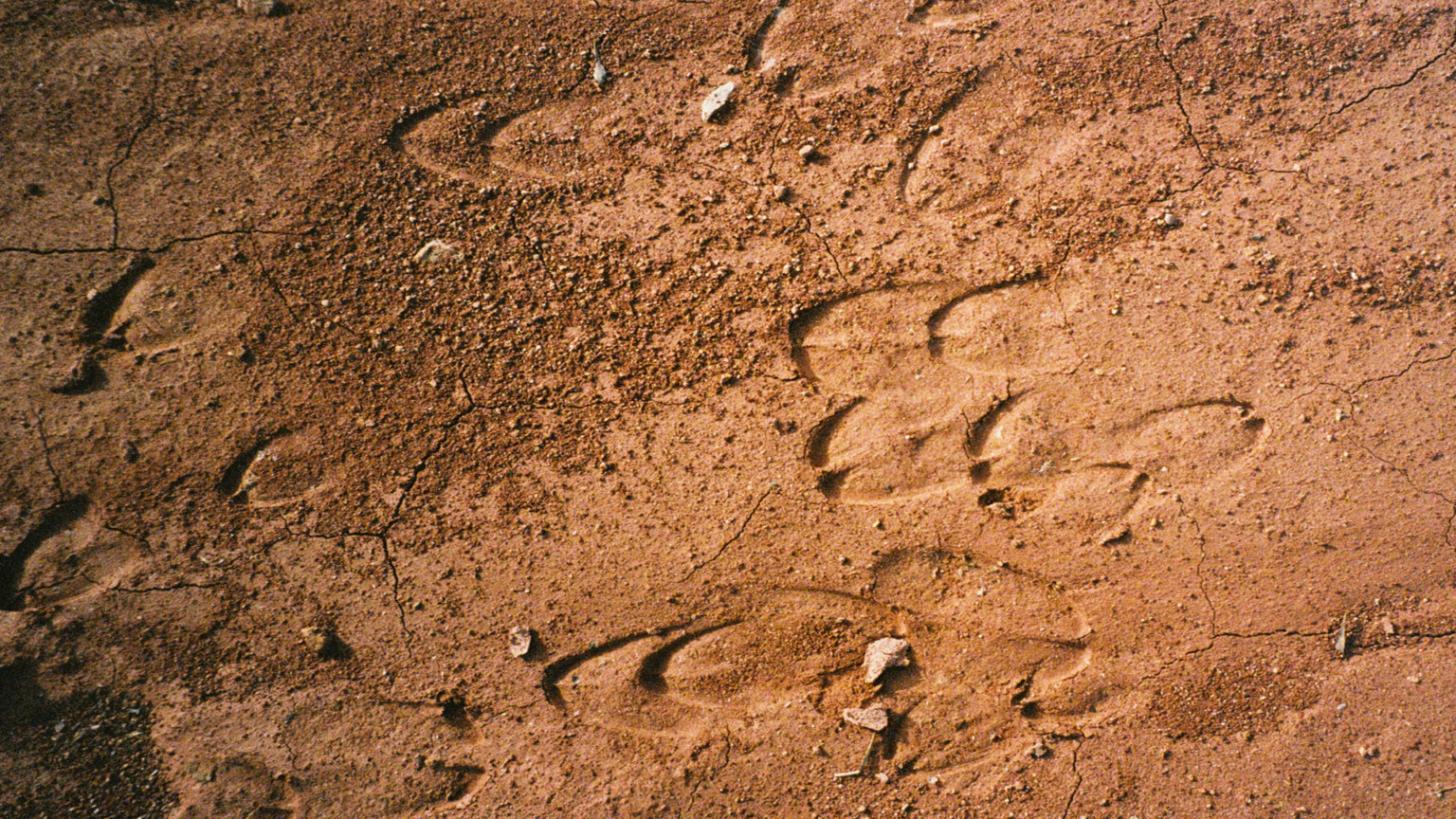
There’s so much here to love: the concept of brand design appearing without the nudge and prod of human/client/designer hand; the idea of nature guiding rather than merely inspiring; the whole weird solution of something so painstakingly durational, random, potentially disastrous. I love the risktaking, the genuine boldness – so many agencies claim to be bold, but so few would ever dare come up with, let alone go through with, an idea like this.
The strange photographic stills are the star of the show here. There’s little else in the way of decoration or any sort of brand/graphic devices as we’d usually encounter them.
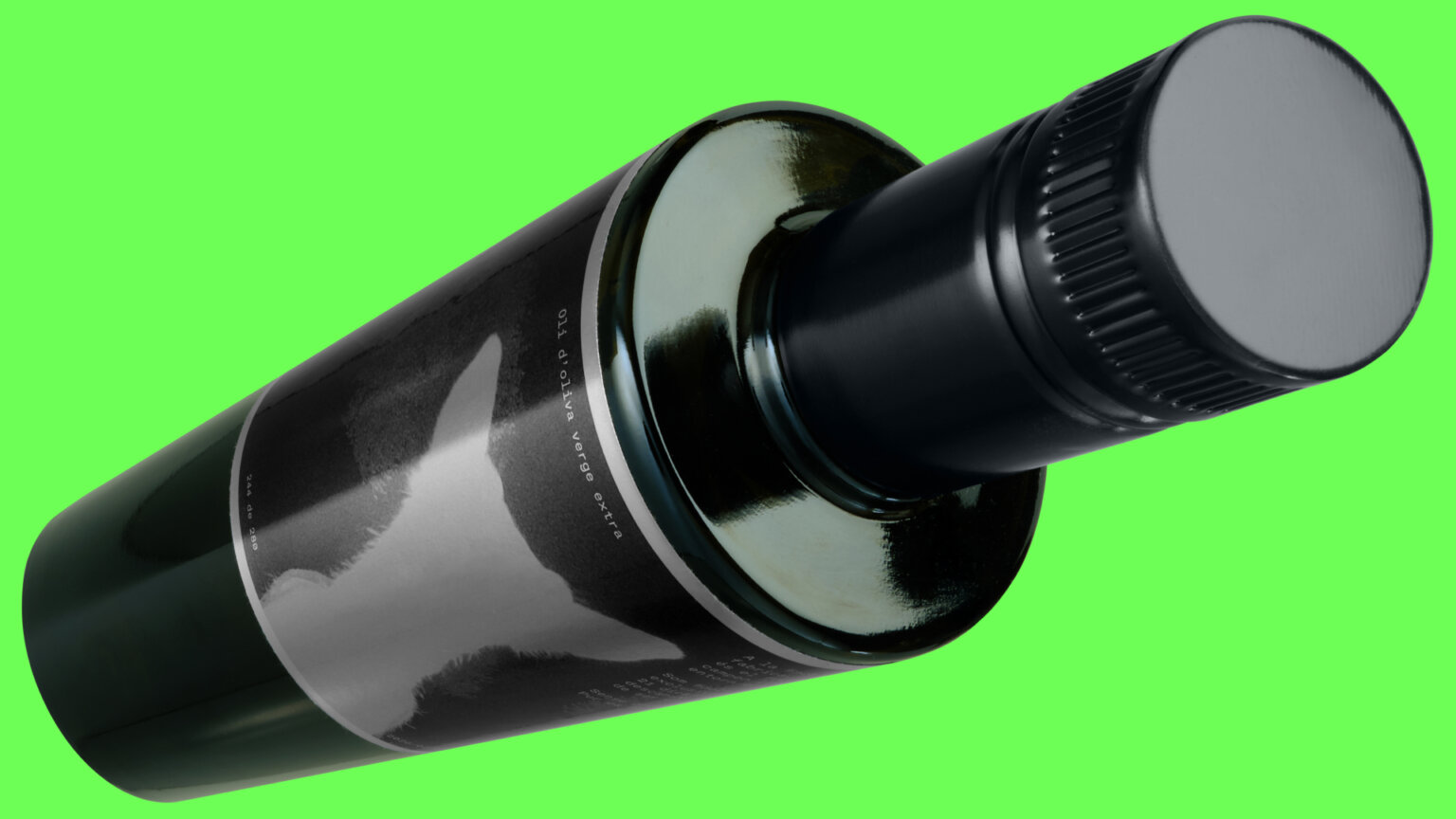
The bottles themselves are entirely black – none of that showcasing the product stuff, just pure, goth black. And the colour palette can barely be described as such, since it too is simply black, white, and the silver of the imagery. As SMLXL puts it, “The silver paper reinforces the cold quality of both the imagery and the olive oil cold-press extraction process”.
The silver just also looks exceptionally cool – a sort of merger of Duchampian readymade and subtly premiumised packaging masterstroke.
Typography-wise, the lettering here uses a sort of typewriter-like font for everything, as far as I can tell from the images (I’m struggling to find the brand’s own website at the moment, so that’s all I have to go on). It’s practical, it’s resolutely data-ish – it’s exactly, in short, the sort of lettering you’d get automatically stamping the date and time on something like a motion sensor camera. Nothing deviates from that central premise: a supremely confident move, and a brilliantly effective one.

I just absolutely adore pretty much everything about this bonkers little project. Like the best ideas, it’s based on a concept so simple and great it feels as though surely, SURELY, it must have been done before. It makes me think a lot about that episode of Inside Number 9 that was filmed entirely from the perspective of one person’s Ring doorbell.
But another reason it’s so great is that it flies in the face of what branding ‘should’ do. There’s no real logo as such. Every single bottle has a different design (there are less than 300 bottles in total though, we should reiterate – hardly a large scale FMCG brand type operation, but still).
The typography is tiny: where endless brands discuss the importance of clarity, legibility, stripping things back to the bare bones, this does absolutely none of those things. The lettering is small and silvery – barely visible in certain lights. There’s a lot of text, and little in the way of hierarchy within it.
But this is not a brand in the way most brands must behave as such: it doesn’t need to fulfill all the usual criteria – on-shelf standout, competitor differentiation, ‘disruption’ (though hopefully we’re over that by now), trustworthiness, ‘bringing in new audiences while not alienating existing loyal customers’, and so on and so forth, [insert your own well-worn design brief stalwart here].
People who are buying this D’Arbequina are buying this D’Arbequina. It’s about as niche as they come. However, that’s no reason to not have it look absolutely superb, and communicate with such a fantastically singular visual and verbal tone of voice. Truly weird, and truly wonderful stuff.