Studio Gruhl’s Global Hypercolour-esque brand identity for Rerun looks to “see what robots see”
Opinion by Emily Gosling Posted 16 June 2026
Rerun is described as “a unified data layer for physical data that helps teams build smarter robots” which consists of two parts: Rerun SDK, “an open source library and tools for logging, storing, querying, visualising, and training on multi-rate, multimodal data”; and Rerun Hub, a “data catalogue and backend for large scale storage, access, and streaming of robotics data from object storage”.
More simply put, it’s an open source platform building the data layer for robots, drones and autonomous vehicles.
I’m afraid that despite my attempts at understanding what any of this means, I have no idea. But this sort of thing isn’t for me, is it, a woman in east London who spends her days writing about fonts and things. But Rerun, it seems, is quite a big deal: since it was founded in 2022 in Stockholm by Nikolaus West, Emil Ernerfeldt and Moritz Schiebold, it’s been used by teams from some of the biggest and most famous tech companies in the word, including Meta, Google, and Unitree.
And it seems it’s a company that isn’t afraid to take risks – not just in terms of its product and product capabilities, but its brand. Such companies with these complex niches arguably feel they don’t need to worry about brand as much as more consumer facing companies – even things like consumer electronics – let alone sectors like FMCG, where their look and feel can absolutely make or break a brand.
But impressively, Rerun has commissioned a studio best known for its work with more countercultural entities like record labels; but one which has more than proven its prowess in terms of working with complex, not-easily-comprehensible, tech-heavy companies.
That studio is the ever-impressive Berlin-based Studio Gruhl (House of Reptile, Spellbound), which was brought in to develop the new visual brand and digital design system for Rerun.

What I really love about this is how far it seems both the design team and client were willing to push things: the brand design is as energetic, thoughtful, colourful and beguiling as that for any consumer brand; as is the central concept: “See what robots see”.
The idea, according to Studio Gruhl, was to create a system which reframes the visual language of the robotics category, eschewing the usual category tropes of cold, clinical aesthetics and instead opting for something a little more warm and human.

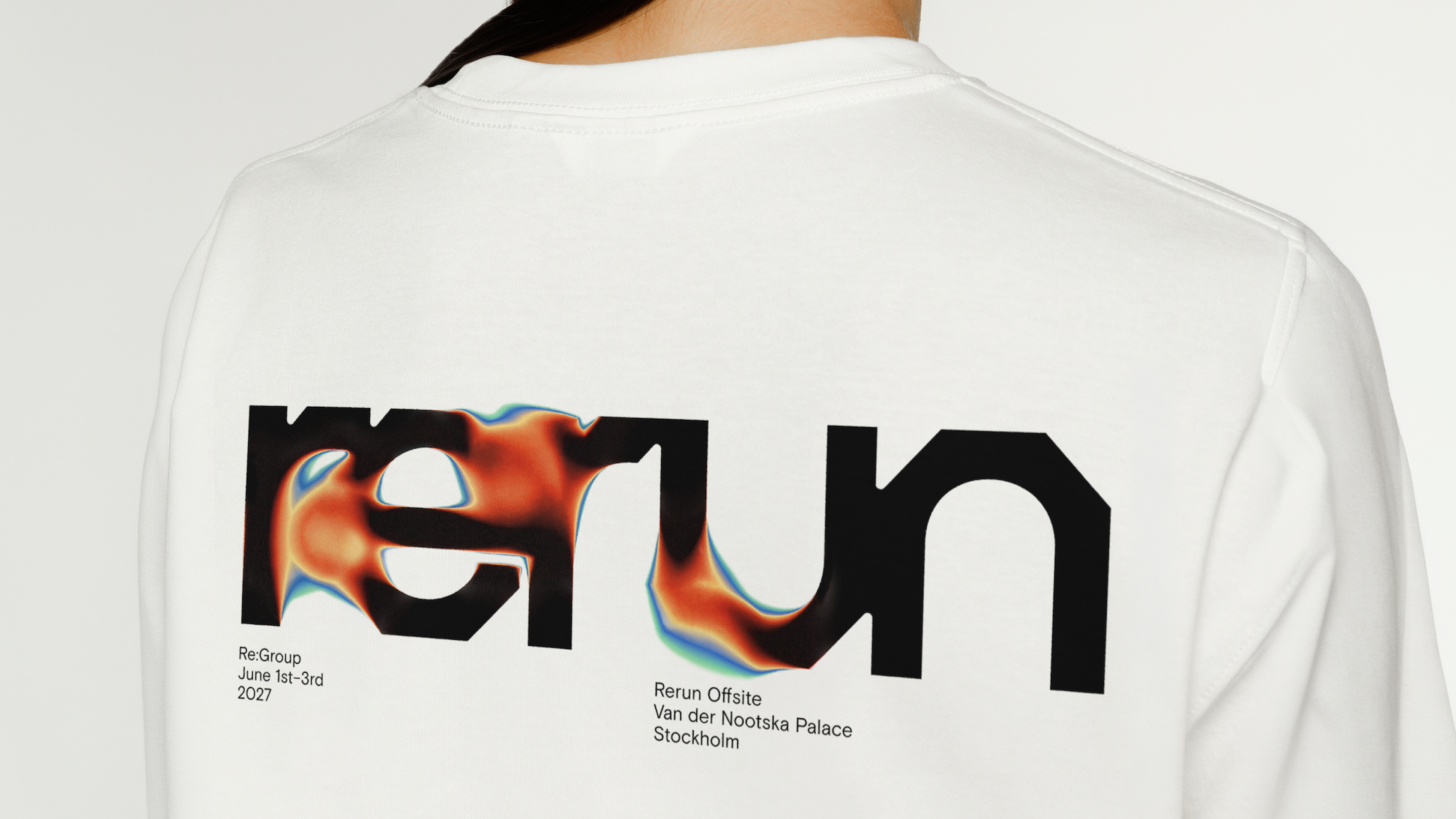
It’s so warm in fact that the gorgeous colourways are almost veering into Global Hypercolour territory: they wouldn’t be out of place in an art gallery, or at a rave, or on a record sleeve. It’s a truly energised, exciting visual language that really does upend all we’d expect from the tech category, let alone the robotics field.
Typography wise, the main brand for is Basis Grotesque Regular, designed by Colophon Foundry (now merged into Monotype) – a neat, tidy, rigorously legible sans serif inspired by early grotesques but which, according to Colophon, reels in some of the quirks to end up with something “more behaved and shapely.”
Elsewhere are very occasional flickers of Reddit Mono (this is pretty much only in headlines on the website, and always in all caps) – an open source, free typeface specifically for developers – not only is this a very satisfying font to look at, it’s also a nice, subtle little nod to the high tech nerdery of the brand itself – a little flash of form following function, in a way.
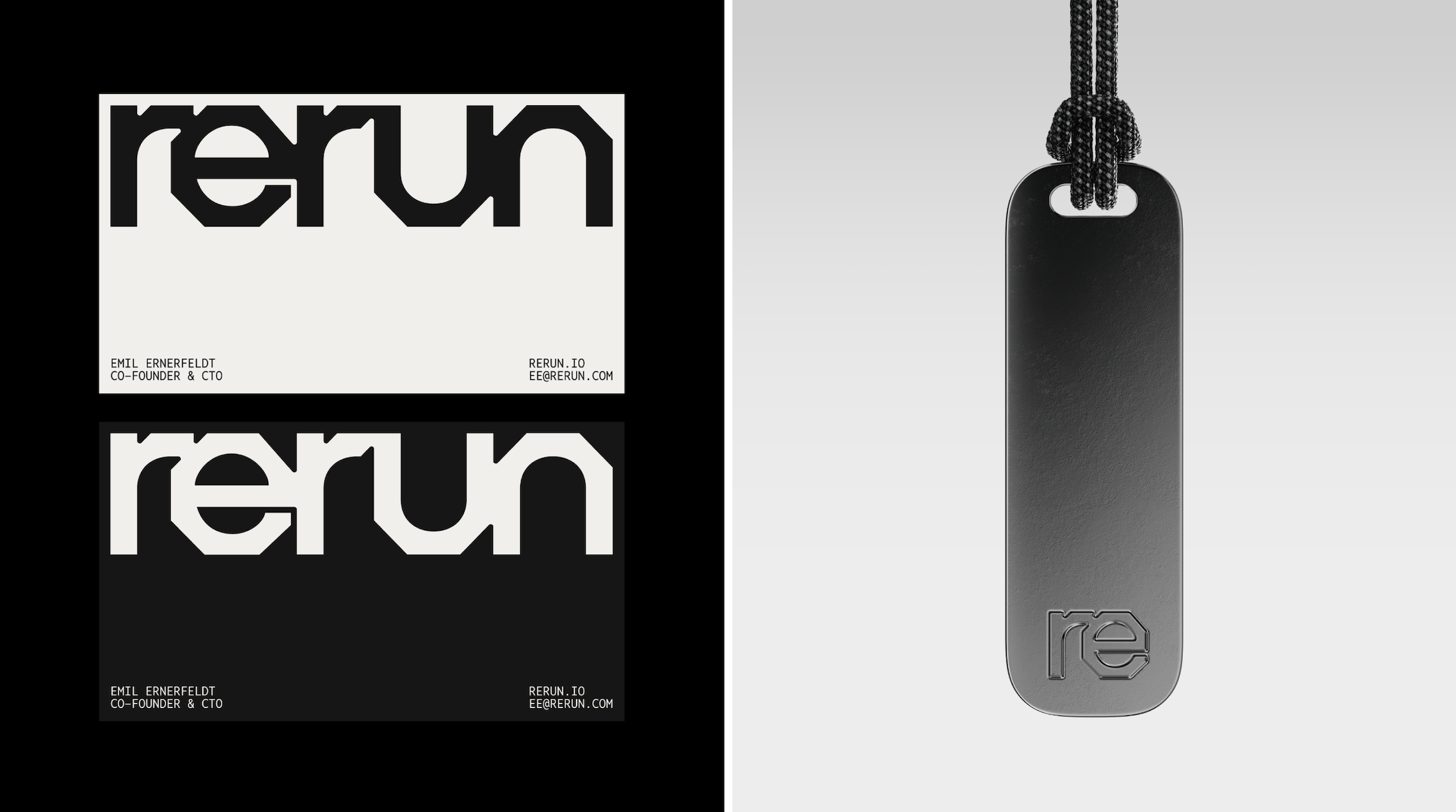
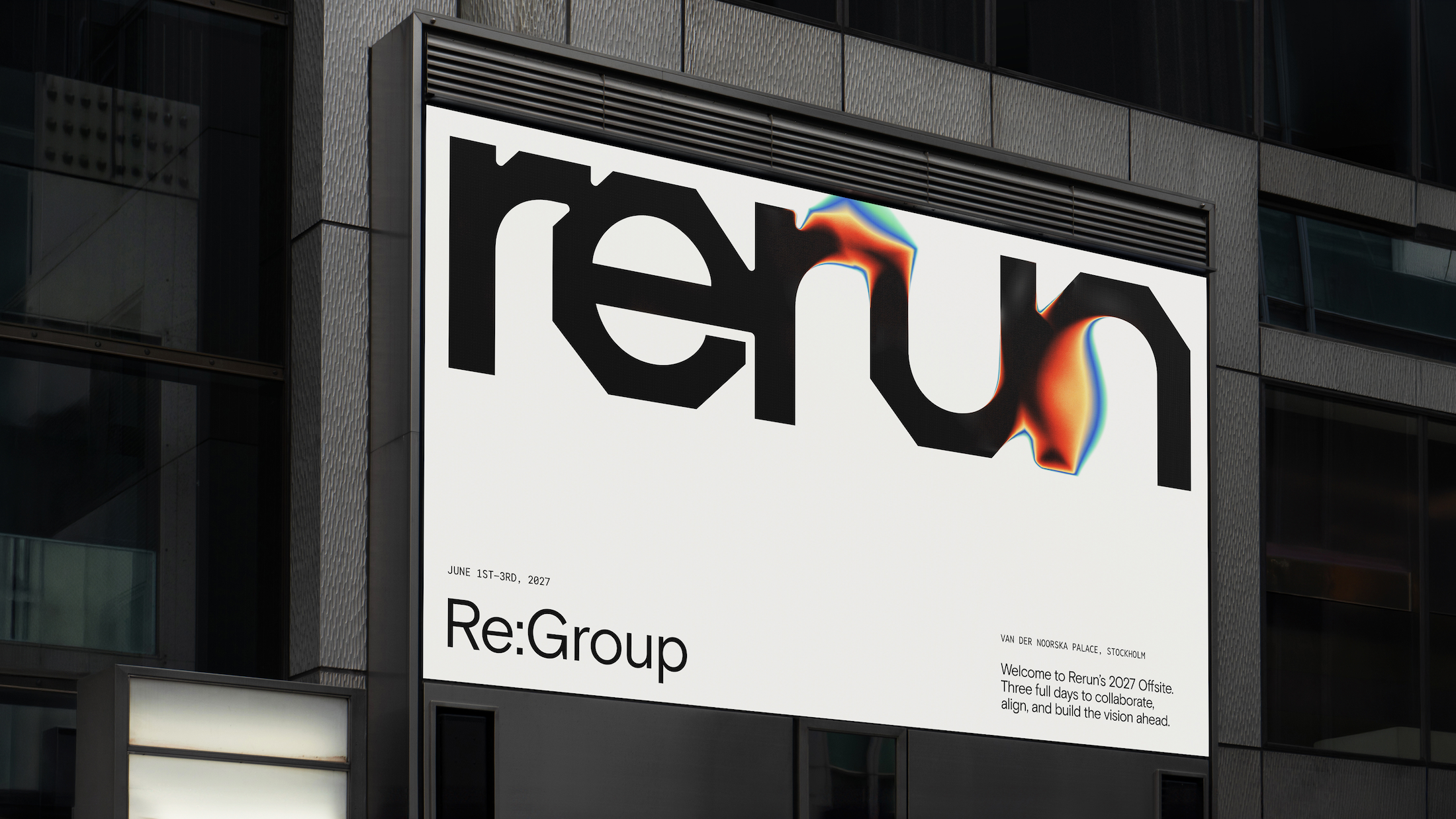
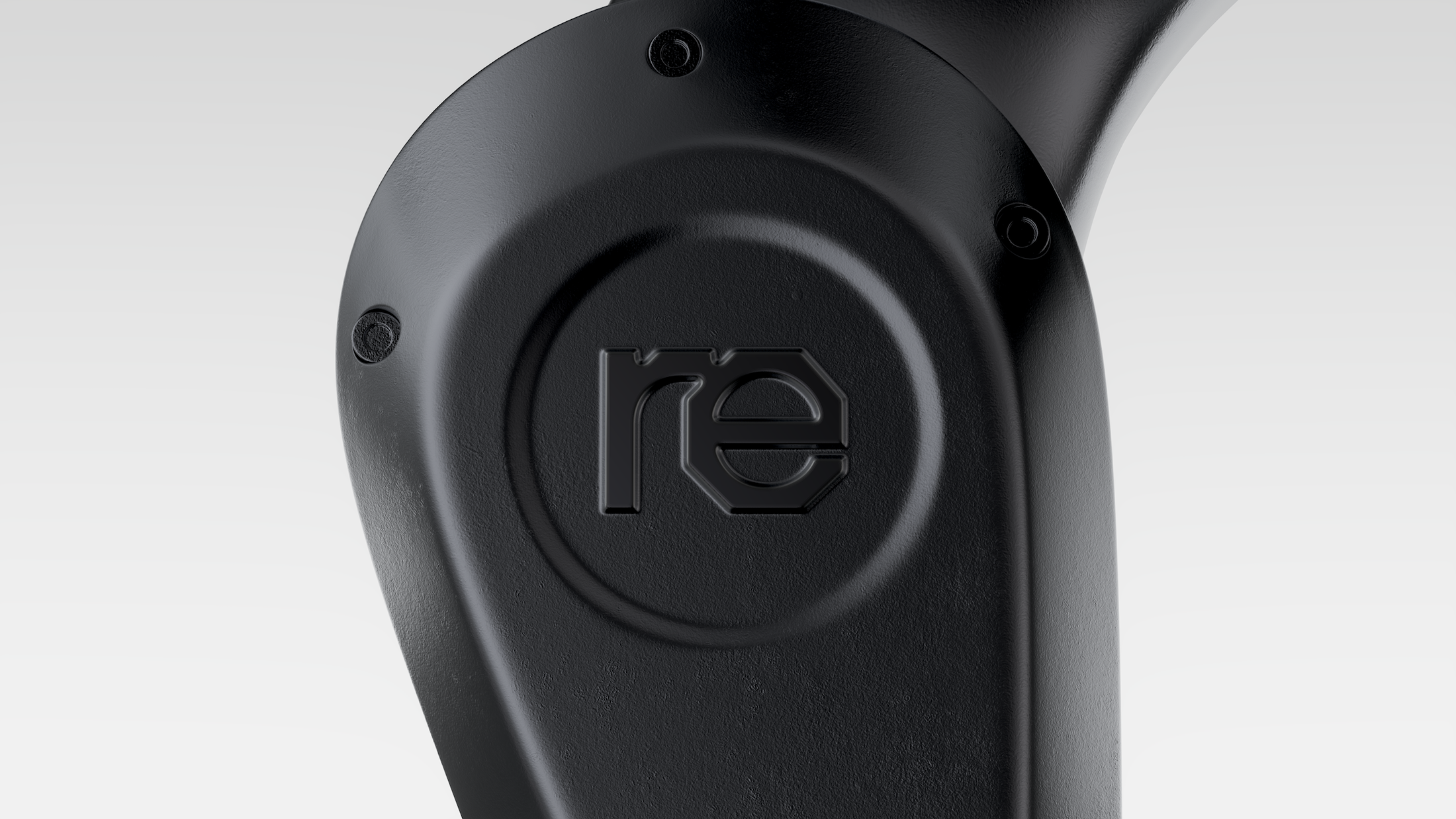
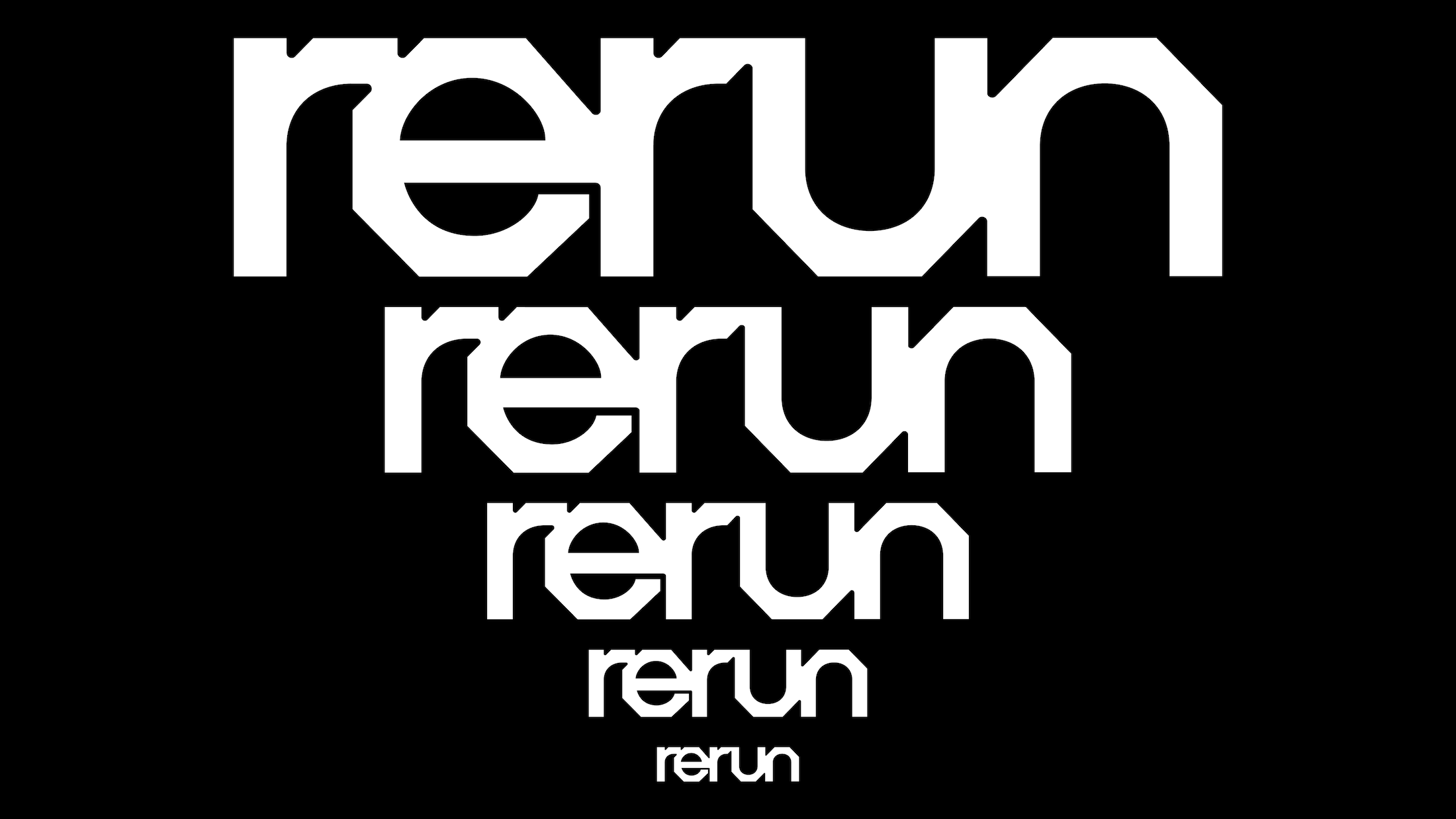
The central wordmark and defacto logomark takes its cues from the geometry of a bolt head, with angular forms that feel engineered but not rigid. Slightly tightened spacing and subtly merged letterforms stop it feeling too pristine, lending it a welcome sense of tactility and warmth.
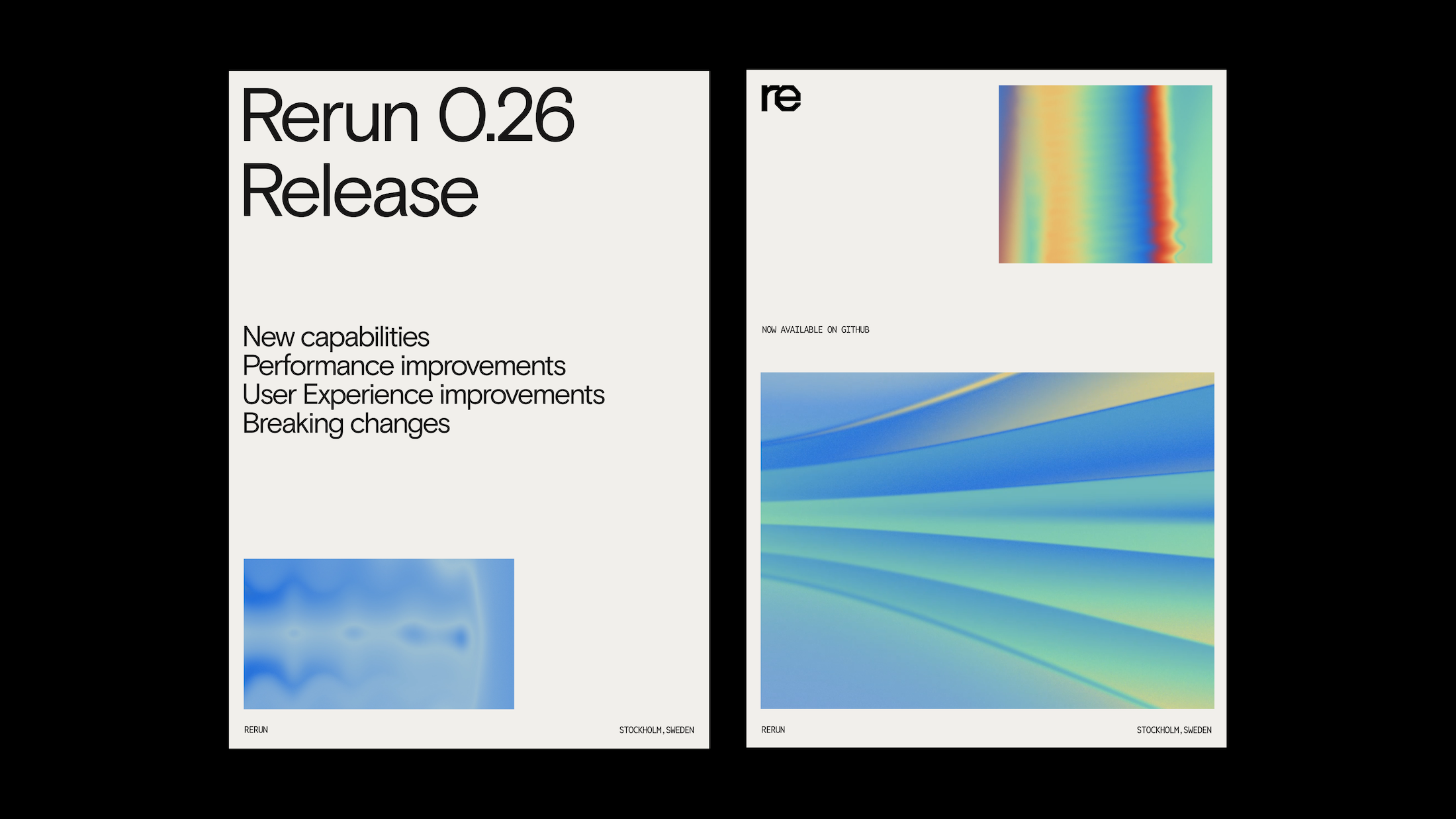
The colour palette is perhaps where the identity is at its most distinctive. Drawing on the Jet and Turbo colour maps used to visualise machine data, the gradients reference how robots interpret the world around them. They’re delightfully psychedelic – an aesthetic and way of viewing and interacting with the world that feels so very sort of human, rather than robotic – and that’s really what this whole project is about.
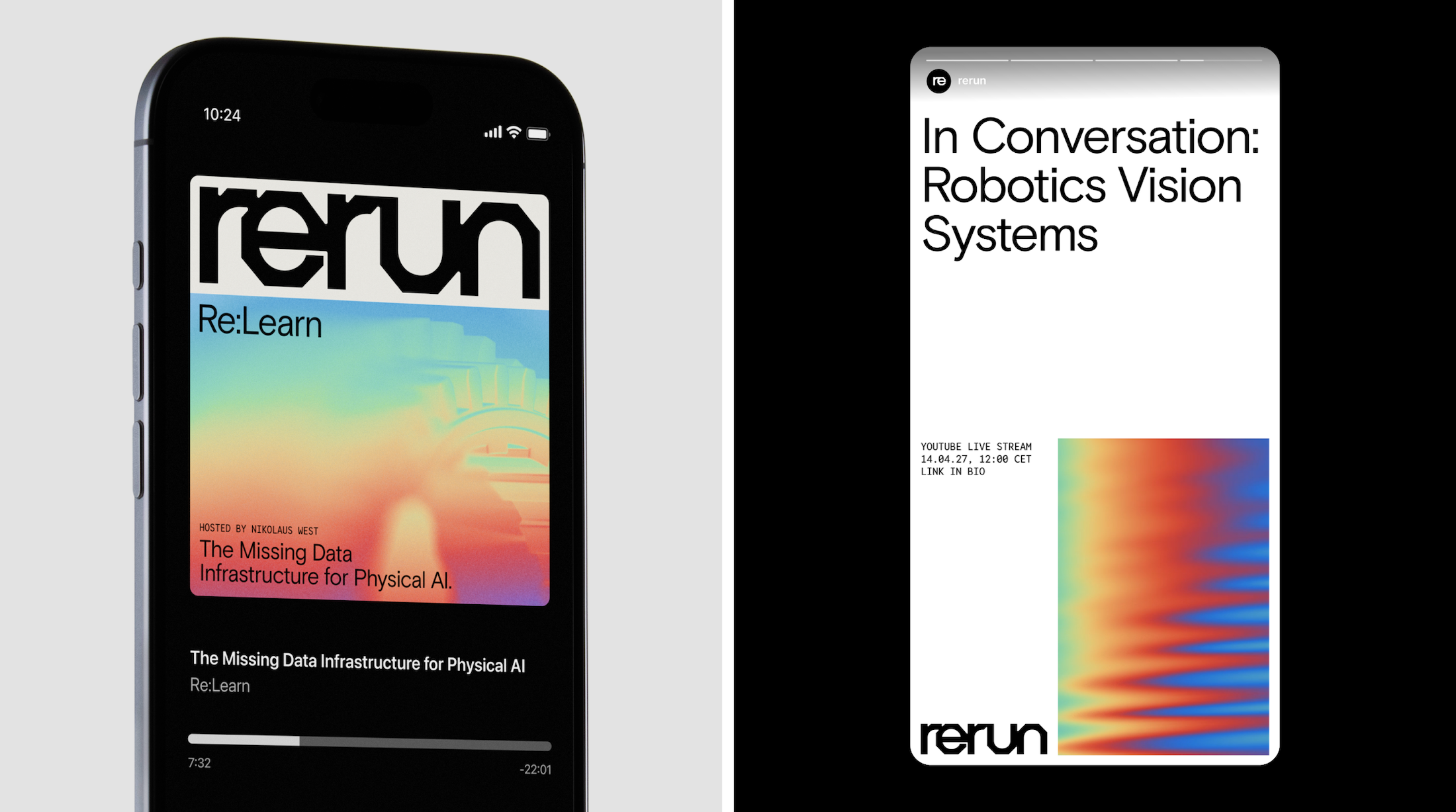
Rather than presenting robotics as something coldly futuristic, the brand focuses on the people behind it and the joy of making. There’s an emphasis on craft, process and the idea of ‘flow state’ – it’s all surprisingly emotional for a company operating in such a technical field, but that’s precisely why it works.
And that’s perhaps the most impressive thing about the project. While the identity is rooted in the realities of the product and informed by genuine research, it never feels constrained by either. The temptation with a company like Rerun would have been to retreat into the safety of category conventions; dark interfaces, blue gradients, endless diagrams and data visualisations. Instead, Studio Gruhl has created something with genuine personality.