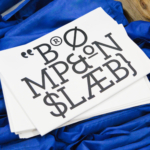
“Made in Italy” sells more than where something was manufactured.
The same is true of “Made in Germany”, “Swiss Made” and, increasingly, “Made in Japan”. Over time those labels have become shorthand for craftsmanship, engineering, precision and quality.
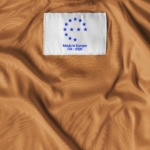
Europe exports more goods than any other economy and manufactures under some of the world’s highest standards for product safety, environmental protection and traceability. Yet almost all of that value disappears into legislation, audits and supply chains before a product reaches the shelf.
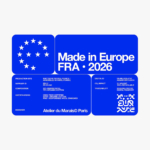
Recognising that gap, Copenhagen think tank 21st Europe worked with Dada Projects to develop Made in Europe, a certification concept unveiled at Web Summit in Lisbon. The idea links a certification mark to a Digital Product Passport, making Europe’s manufacturing standards visible instead of buried in compliance paperwork.
Designing a mark for twenty-seven countries was never going to be simple. Concepts without the EU flag were explored before the team concluded the twelve stars already carried too much recognition to abandon. Helvetica became the common visual language, with separate industrial and consumer versions.
Scanning the mark takes consumers to a Digital Product Passport already being introduced through EU legislation across batteries, textiles, electronics and furniture. Made in Europe asks whether that transparency could become something consumers value, not just another compliance requirement.
History suggests building trust takes time.

Parmigiano Reggiano has carried legal protection since 1955 and today its protected name alone is worth more than €1.5 billion in annual turnover. Roquefort’s monopoly dates back to 1411. Fairtrade spent twenty-five years becoming a label recognised by nine out of ten UK shoppers, with around eight in ten saying they trust it to deliver fairer pay for farmers. B Corp only moved out of niche territory once household names started putting the mark on pack.