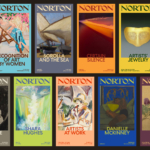
Plant based packaging used to try hard to look different. Green everywhere. Happy little oat illustrations doing their best to reassure shoppers that nothing remotely cow-like had happened on the way to becoming milk. That made sense. The category was built around difference. Packaging made sure you noticed.

A lot of that’s changed. Milk alternatives share the same carton structures and block colours as dairy. Meat free ranges borrow the same appetite shots, typography and layout systems as meat. Sometimes the only clue on the front is a small “plant based” cue buried in the hierarchy. The visual distance between challenger and incumbent keeps getting smaller.
The commercial logic is obvious. Most shoppers don’t stand in supermarket aisles carefully reading packaging but shop on autopilot. Shape, colour and brand become shortcuts. The closer a product sits to familiar shopping habits, the less work consumers have to do.
The tension starts when recognition becomes confusion. Research around plant based packaging already shows shoppers complaining when products sit so close to conventional meat and dairy brands that key information drops too low in the hierarchy.
Plant based products need to look like they belong. The interesting question is where familiarity ends and misidentification begins.
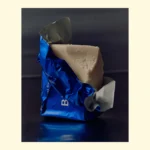
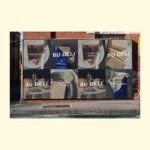
That’s why Studio Bland’s work for Australian brand Bu Deli stands out. The plant story gets dialled down while the butter story gets pushed right to the front. Category blue, wrapped block format, restrained typography, the sort of thing you’d expect sitting in a fridge door next to Lurpak rather than tucked away in a “free from” bay.
It’s designed to register as butter first and plant based second.

Current EU rules would allow it to be packaged like butter, just not called butter. Once the plant cue starts dropping lower in the hierarchy, the distance between familiarity and misdirection becomes surprisingly small. For years, plant based brands fought to stand apart from the category. Now some are fighting to disappear into it.
Those are very different objectives and create very different responsibilities for designers. Helping a product belong is one thing. Being comfortable when somebody mistakes it for something else is another. Because the first time someone feels tricked, they usually don’t just reject the product but start distrusting the whole category around it. Plant based cannot afford buyer’s remorse if it wants to become mainstream.
Where do you draw the line between familiarity and deception?