It’s peak July. You’re somewhere between the beach towel and car boot, slathered in factor 50, staring at a sunscreen tube that looks finished but isn’t.
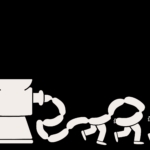
Most of us know the routine. Tubes get rolled upwards from the crimp, folded over, balanced on the cap overnight and sometimes snipped across, all to get whatever’s left inside out.

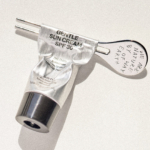
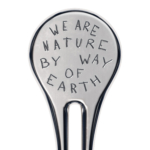
Products exist for that very reason. Tube keys, tube wringers and tube squeezers have been around for decades. John Gill patented one of the earliest examples in the late 1970s after noticing how much paint and toothpaste households were throwing away. Nearly fifty years later they’re still being sold across beauty, personal care, pharmaceuticals and food. L’Occitane has its Magic Key. UpCircle sells an aluminium version as a standalone product. ODYSKIN makes one specifically for sunscreen.
Few packaging categories have created a secondary product dedicated to accessing the primary one. That alone says something.
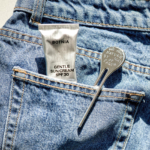
Depending on viscosity, adhesion and format, research suggests anywhere between 10 and 26% of a product can remain inside packaging when consumers decide it’s empty. For a tube of SPF costing upwards of £20, that’s a big financial loss.
As more consumers trade up, those losses become harder to ignore.
Prestige SPF has moved well beyond the holiday aisle. Higher protection factors continue to gain share, daily-use sun protection has become part of many skincare routines and consumers increasingly treat SPF like any other premium beauty product. The global sunscreen market is expected to exceed $22 billion by 2033.
Having worked in the beauty industry, I’ve always been surprised by how little attention product loss and recovery receives compared with recyclability, refillability, lightweighting or carbon reduction.
Tube keys have survived for nearly fifty years. If the problem had gone away, so would they.