Cat litter packaging has to deal with things most designers never dream about. Ten kilos of dusty clay that sets like concrete when wet, in a bag we’re expected to lug home, store somewhere, open, pour and reseal without making a mess.
None of us are looking for a “litter experience”. We just want moggy to use the tray without our house smelling, dust coating the skirting board or tiny pellets appearing in places the cat hasn’t even been. Nobody wants to deadlift a 10kg bag every time the tray needs changing either.
Keeping the cat happy, the house clean and the owner sane has forced innovation and helped build a global market worth around £18 billion, with an ever-growing choice of what actually goes in the tray.
Clay still dominates the UK market, accounting for about two-thirds of sales by material. It clumps well, it’s familiar and cats generally prefer fine, clumping substrates. Bentonite works because it expands when wet, locking waste into scoopable clumps. Very practical, until you consider that it’s mined, heavy to transport and typically ends its working life in a plastic bag en route to landfill.
That explains the growing interest in wood, paper, corn, wheat, walnut and other plant-based alternatives. They can be lighter, produce less dust and offer different end-of-life options, but changing the material still has to get past the one person whose opinion actually matters.
Cats don’t care about any of that. In one recent study they chose clumping clay first, followed by wood and paper litter. Most adult cats also prefer plain, unscented litter, while the shelves continue to fill with fragrances sounding like limited-edition candles.
“Fresh Linen” is a lovely idea. To a cat, it’s probably an aggressively scented bathroom they didn’t ask for.
We are, after all, buying sustainable, low-dust, odour-locking, antibacterial, hypoallergenic, kitten-safe, multi-cat, lavender-meadow litter for an animal that may reject it because the granule is slightly too big. Brand purpose isn’t going to persuade a cat into the tray.
Packaging brings its own problems. The bag has to survive being hauled from shelf to car to cupboard without splitting, keep moisture out, pour without covering the floor in dust, reseal properly and preferably not resemble something you’ve picked up from a builders’ merchant.
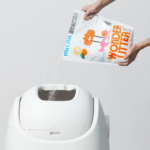
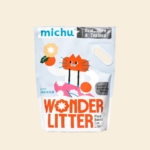
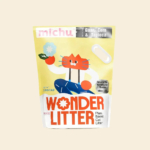
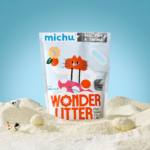
Michu Wonder Litter puts its tapioca, corn and guar litter in bold illustrated packs with a playful mascot. Across the category, we’re also seeing paper bags, built-in handles, resealable formats and recycled materials.
All of this for something the cat is going to shit in.
But that’s cat litter. Bought by people, used by cats, carried home by whoever drew the short straw and judged every single day by whether the house still smells like a house.
Which other “ordinary” categories hide this much design complexity?