Like, so retro, but so the future
Opinion by Emily Gosling Posted 16 April 2026
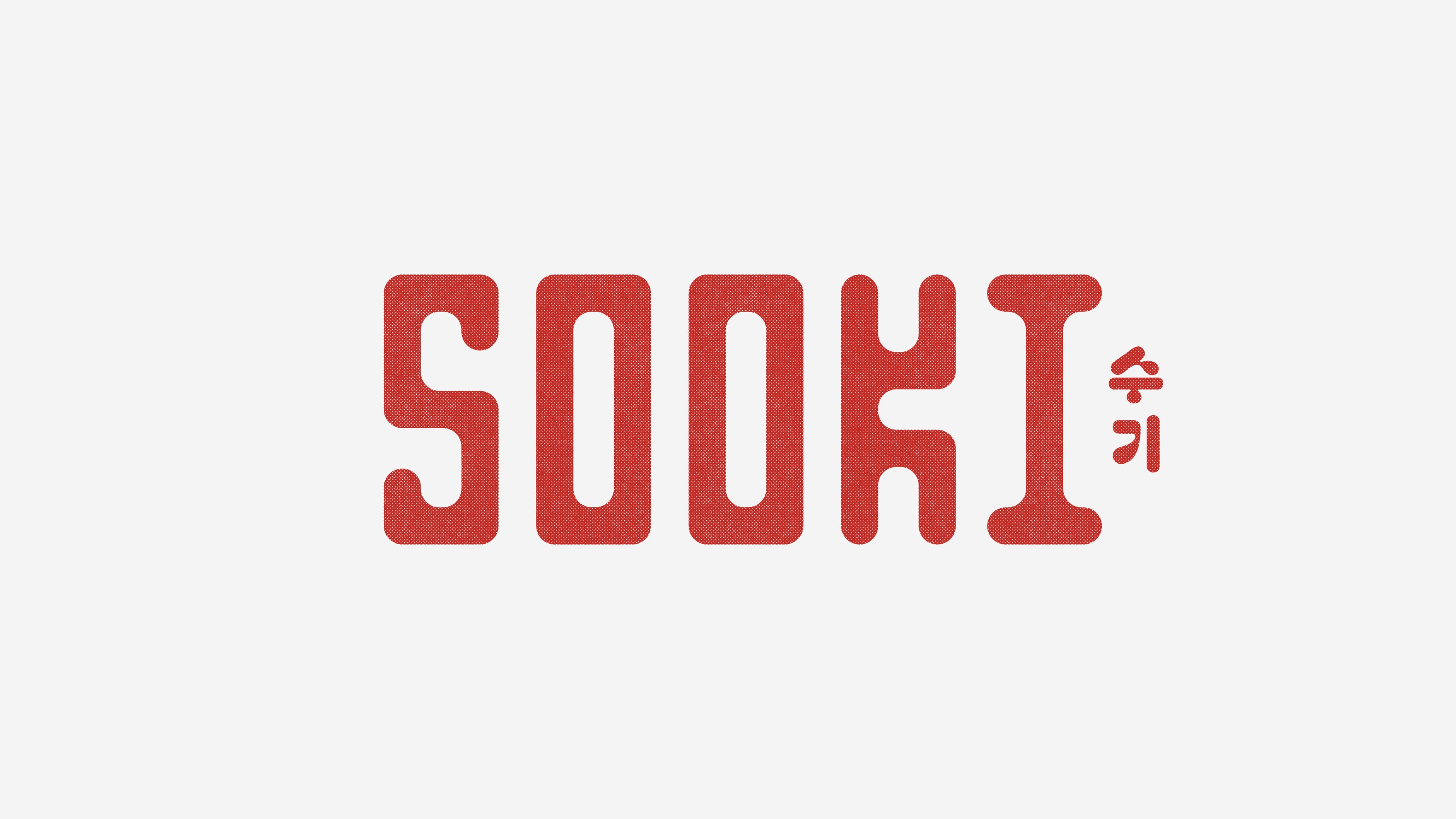
There’s really so little not to love about this branding for Sooki – in fact, I’d go as far as saying there’s nothing not to love. It’s purely, and simply, gorgeous; every goddam inch of it.
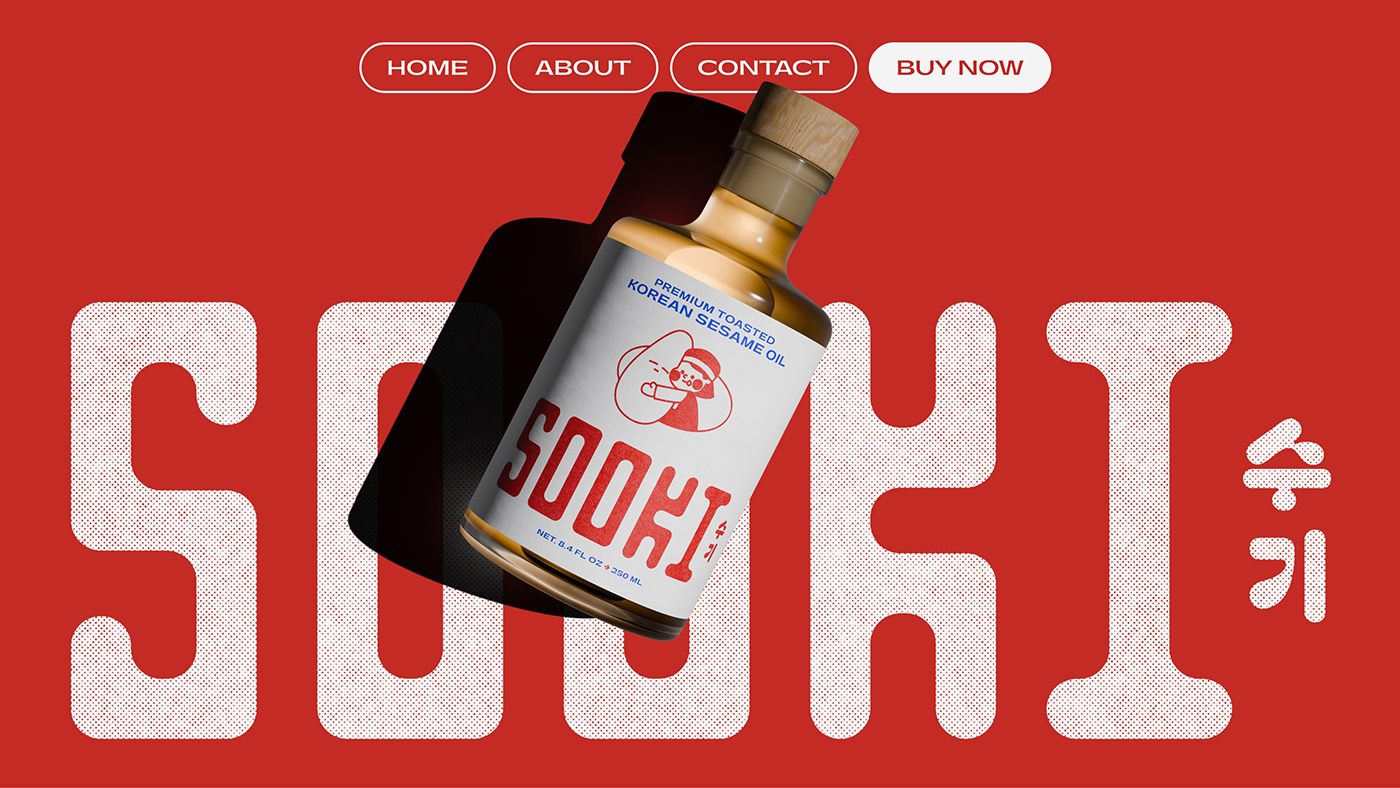
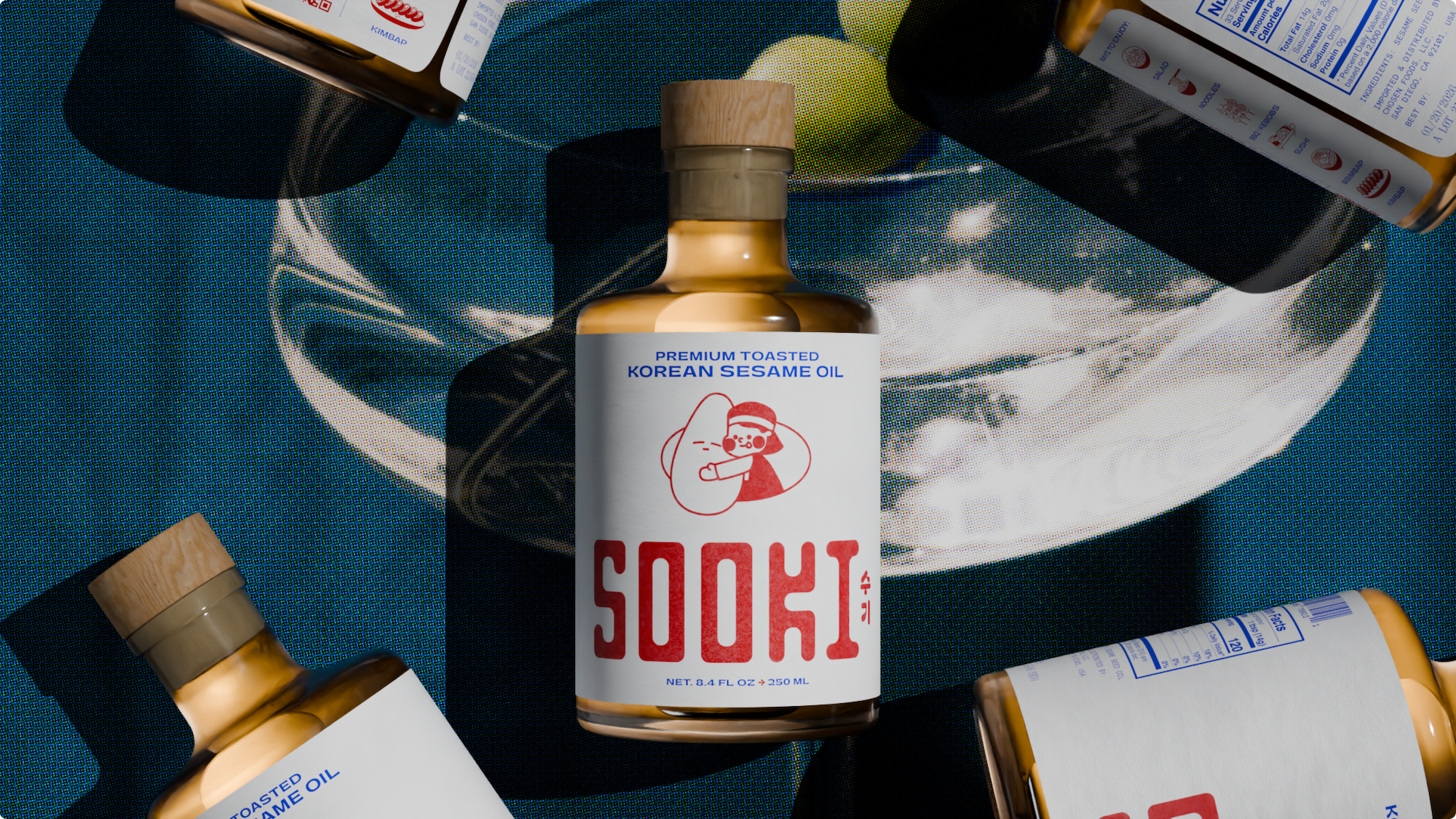
Kudos, then, to The Collected Works, the New York City- and New Orleans-based independent design studio behind the identity design created to bring Sooki Food to market – specifically, the look and feel for its sesame oil.
It’s clearly a product that is close to the hearts of those at TCW, as its rapturous case study suggests: “Here at the studio, we love [sesame oil], but we’ll be honest, it mostly stays tucked away in our cabinet,” writes The Collected Works (Expensify, Fable).
“So we were especially excited when Sooki hit us up about bringing their product to market. We got to try it, we loved it, we ate a little too much of it, and we were excited to give it a brand and physical presence that could break out of the cabinet and onto kitchen countertops around the world.”

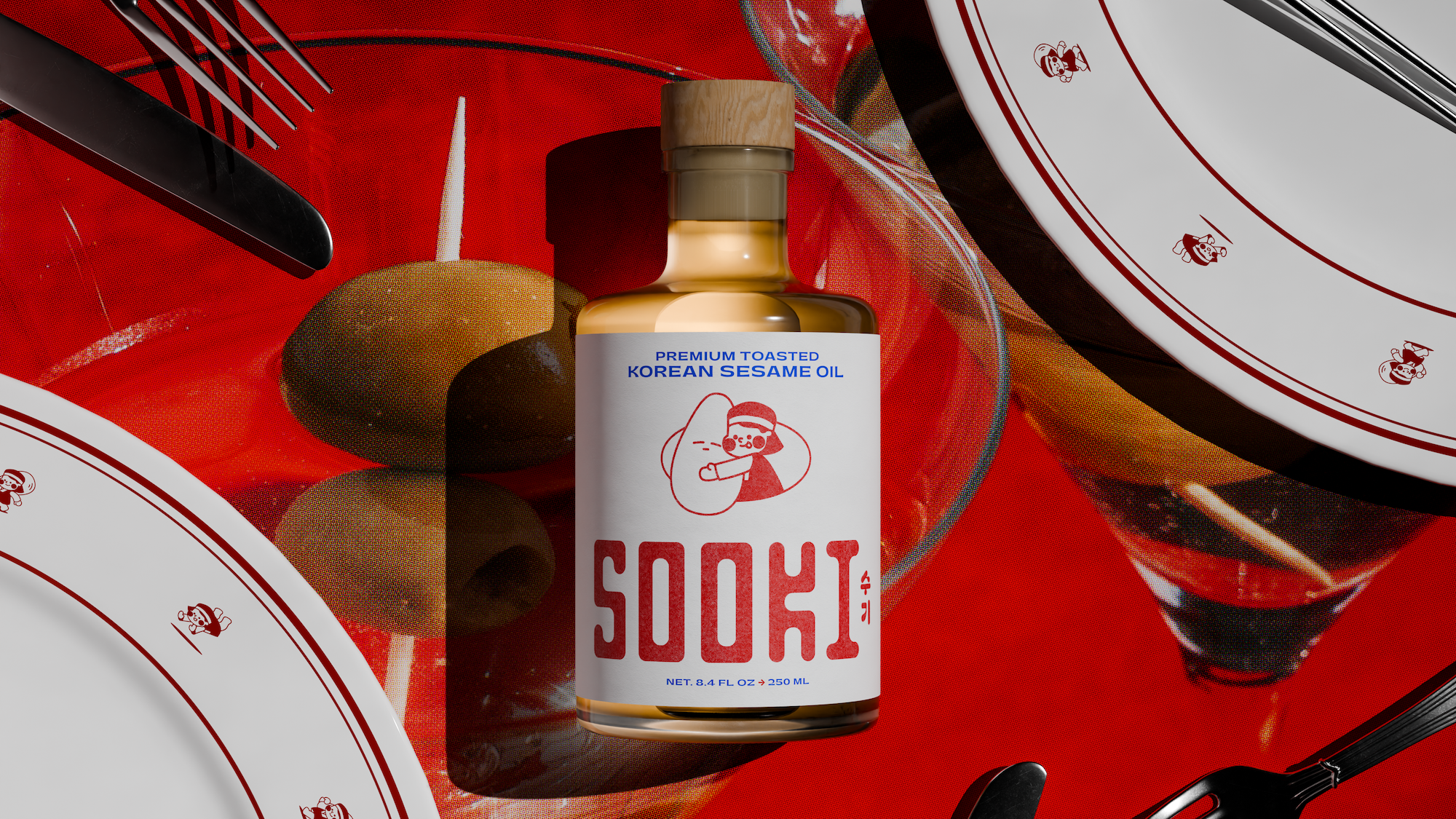
As far as I can tell from the Sooki Foods website, the operation currently just has that one product on offer, the sesame oil, but the brand design across the board is so sumptuous and cute and compelling that there’s no doubt it could (and probably will) flex across a whole lot of other things in future – here’s hoping at least.
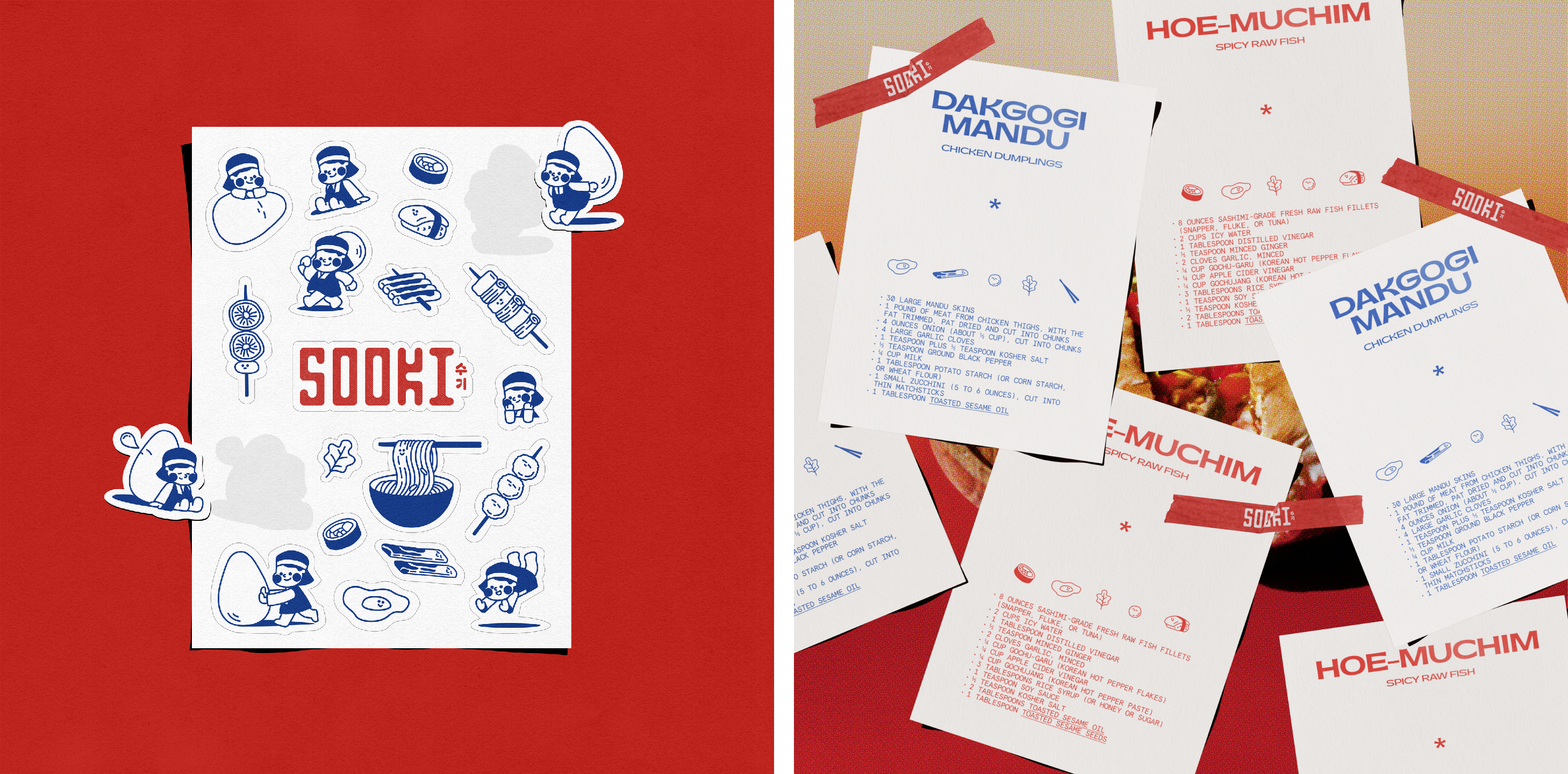
It’s hard to pick a standout element that makes this identity so lush, as they’re all so brilliantly executed, but the most obviously adorable is in the illustration and character design. This aspect of the brand centres on the titular mascot Sooki, who like the brand itself, takes its name from the company’s founders’ own mum.

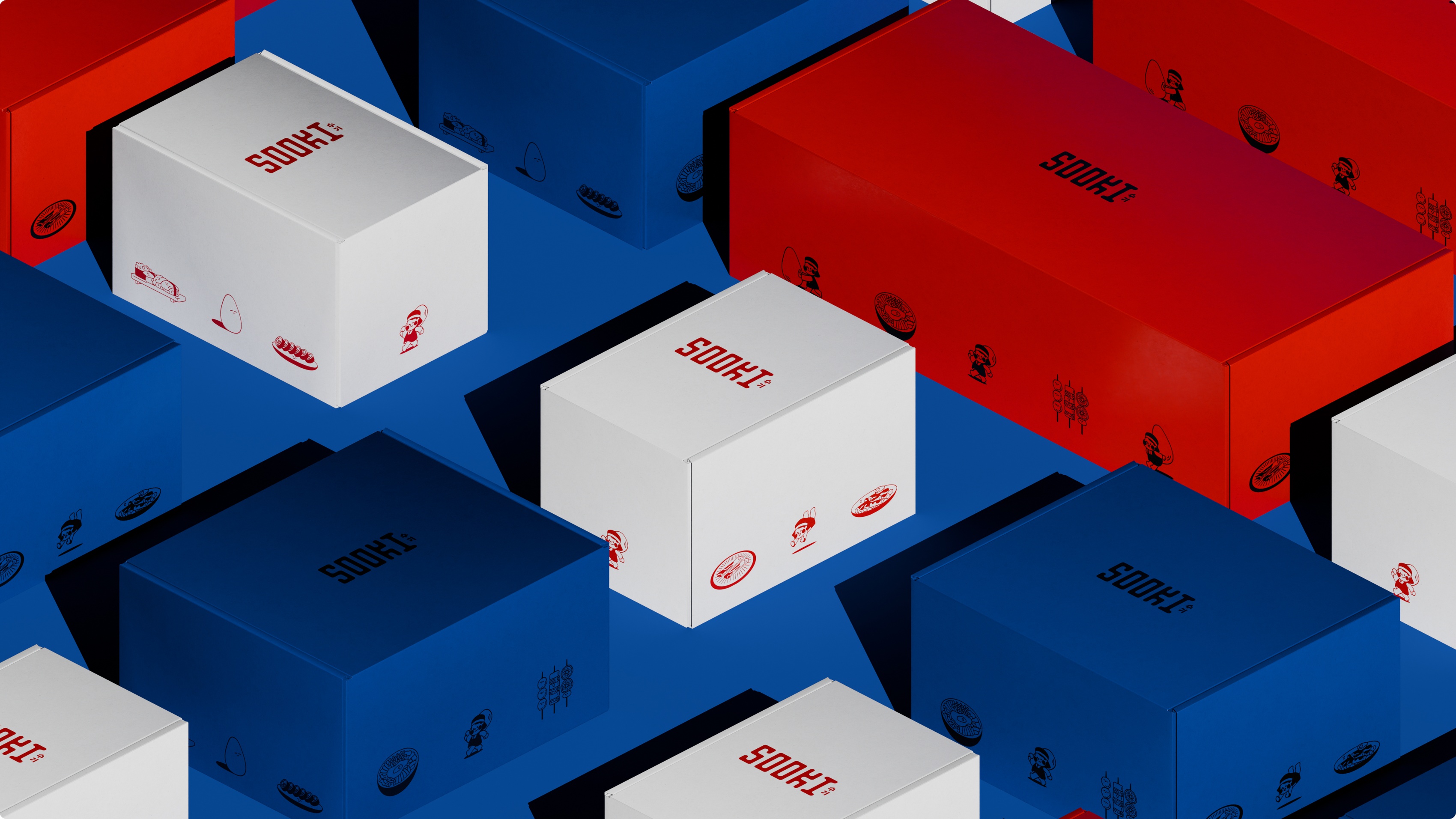
“Her homemade meals knit our family together and sparked inspiration for this whole operation,” say the Sooki Food founders.
“For as long as we can remember, our family returned from Korea with bottles of fresh sesame oil tucked into suitcases; picked up from the local market before flying home. It was a ritual, a way of holding onto a flavour we couldn’t find here.”
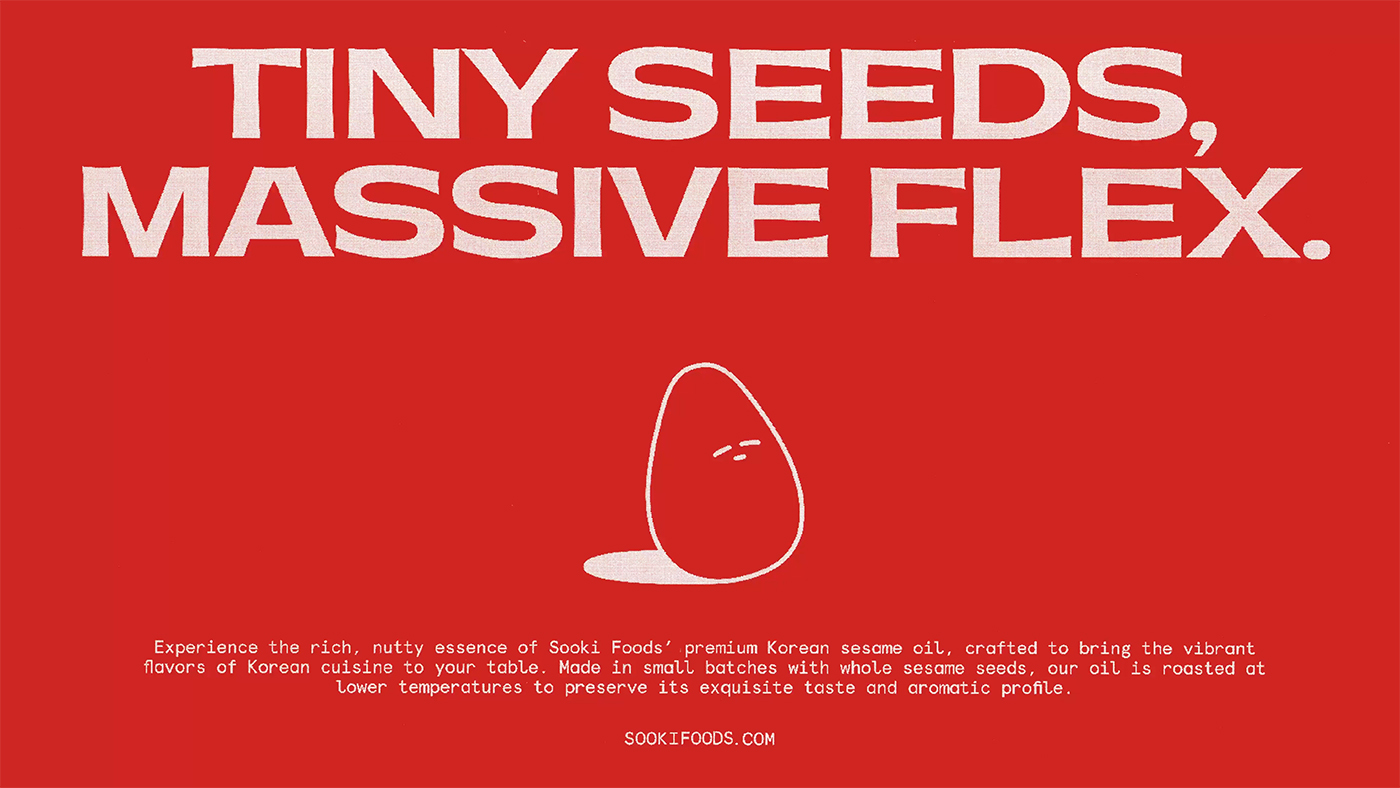
The brand continues, “As we got older and began cooking more ourselves, it started to feel strange that something so essential, so everyday in Korea, wasn’t readily available in the US”.
That realisation led to “years of work”, in terms of testing different seed varieties, adjusting roasting temperatures, and refining every step of the oil-making process. Ultimately, the brand states its goal as to “bring the excellence of Korean pantry staples – made with care, integrity, and time – to everyday kitchens everywhere”.
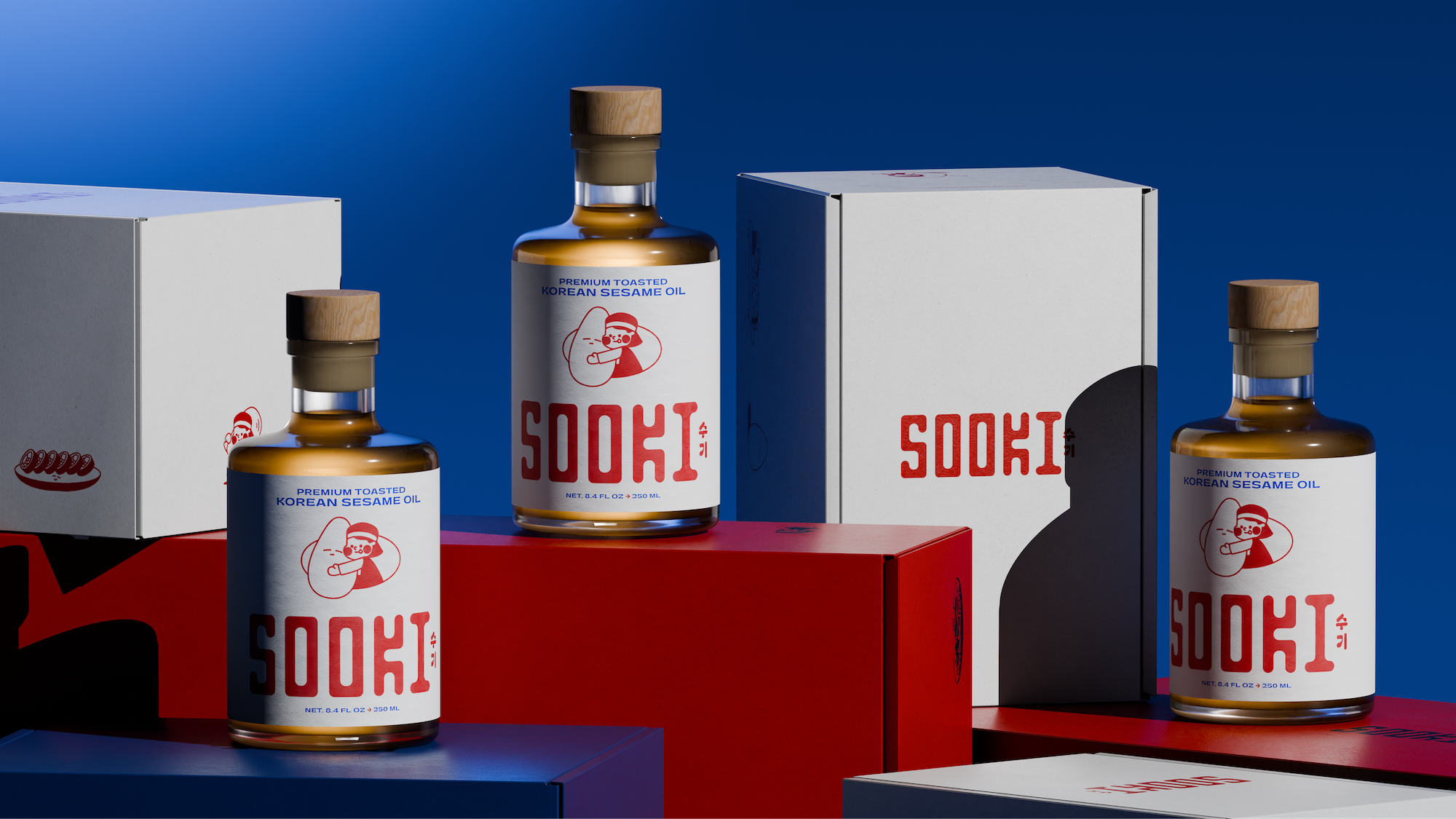
As such, it makes sense that the brand design merges tradition and modernity; cute mass-appeal and a more premium culinary sensibility.
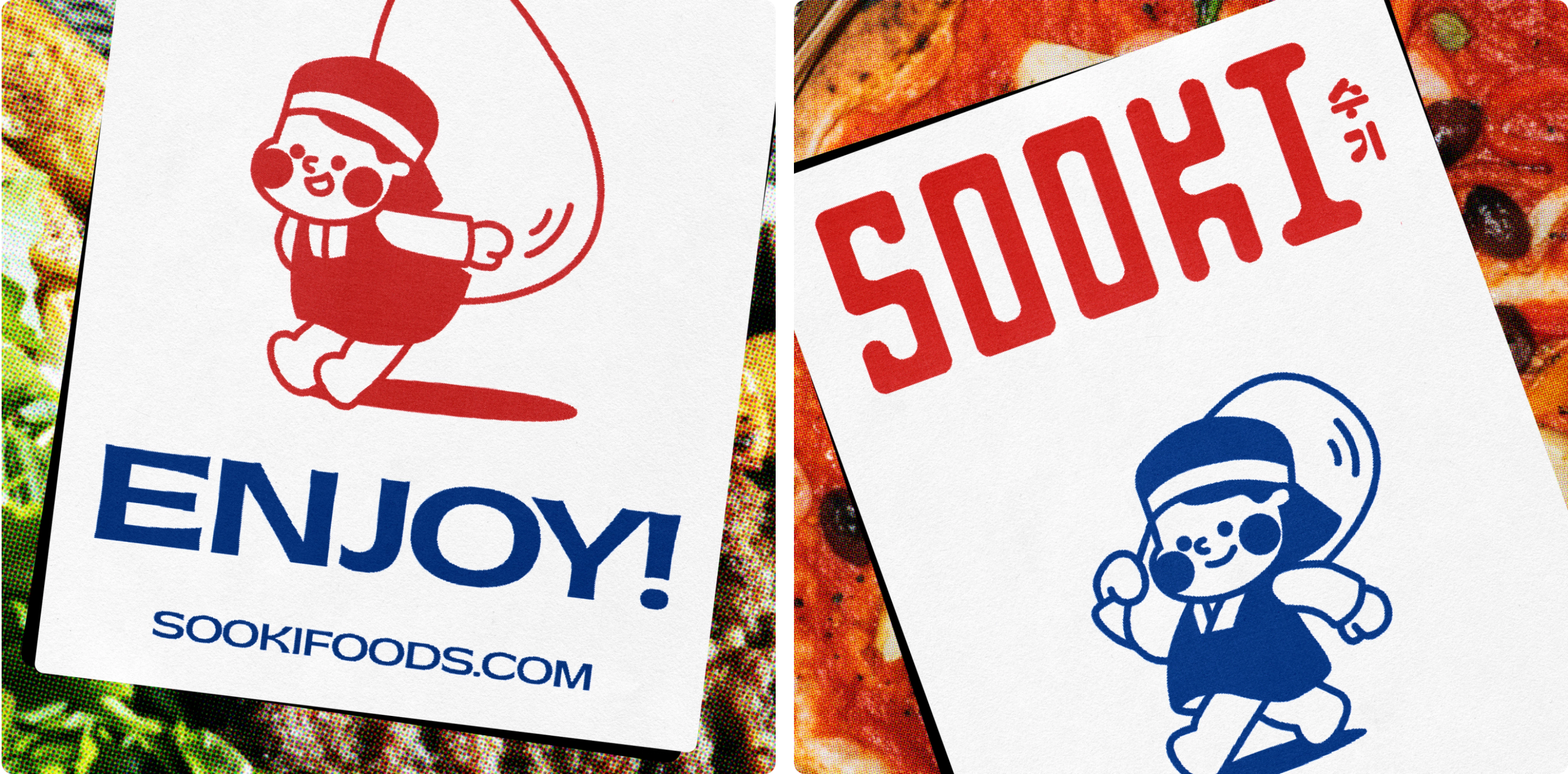
Said cutesiness is again, down to that masterful use of mascots and characters. The main mascot is named Sooki Boy, created as a beacon of playful Korean iconography that according to Sooki Foods, embodies “respect for heritage, openness to the present, and a sense of fun along the way”.

I’m not entirely sure what this means, but apparently he has “rechargeable sesame oil arms” (?!?) – i.e. his forearms take the form of sesame oil bottles, obviously – while other physical attributes include his traditional Korean Hanbok jacket, belt, and trousers; as well as his Bokgeon, a traditional cloth hat. Oh, and also his feet are rockets, which is apparently useful for sort of jetting about and roasting sesame seeds on-the-go.
The other main character is a grandmother figure – the counterpoint to Sooki Boy in aligning more with the product’s traditional roots (he is “where we’re going,” she is “where we come from,” according to the brand). She sports a Binyeo hairpin and a women’s Hanbok, a fitted jacket and more billowing trad-wife-ish skirt.
This could all get a bit much; a bit twee; a bit too far down the rabbit hole of our well-worn Western World fetishisation of all things adorable with big simplified faces (and I say this as someone approaching 40 who’s still obsessed with Hello Kitty and the rest of the Sanrio universe).
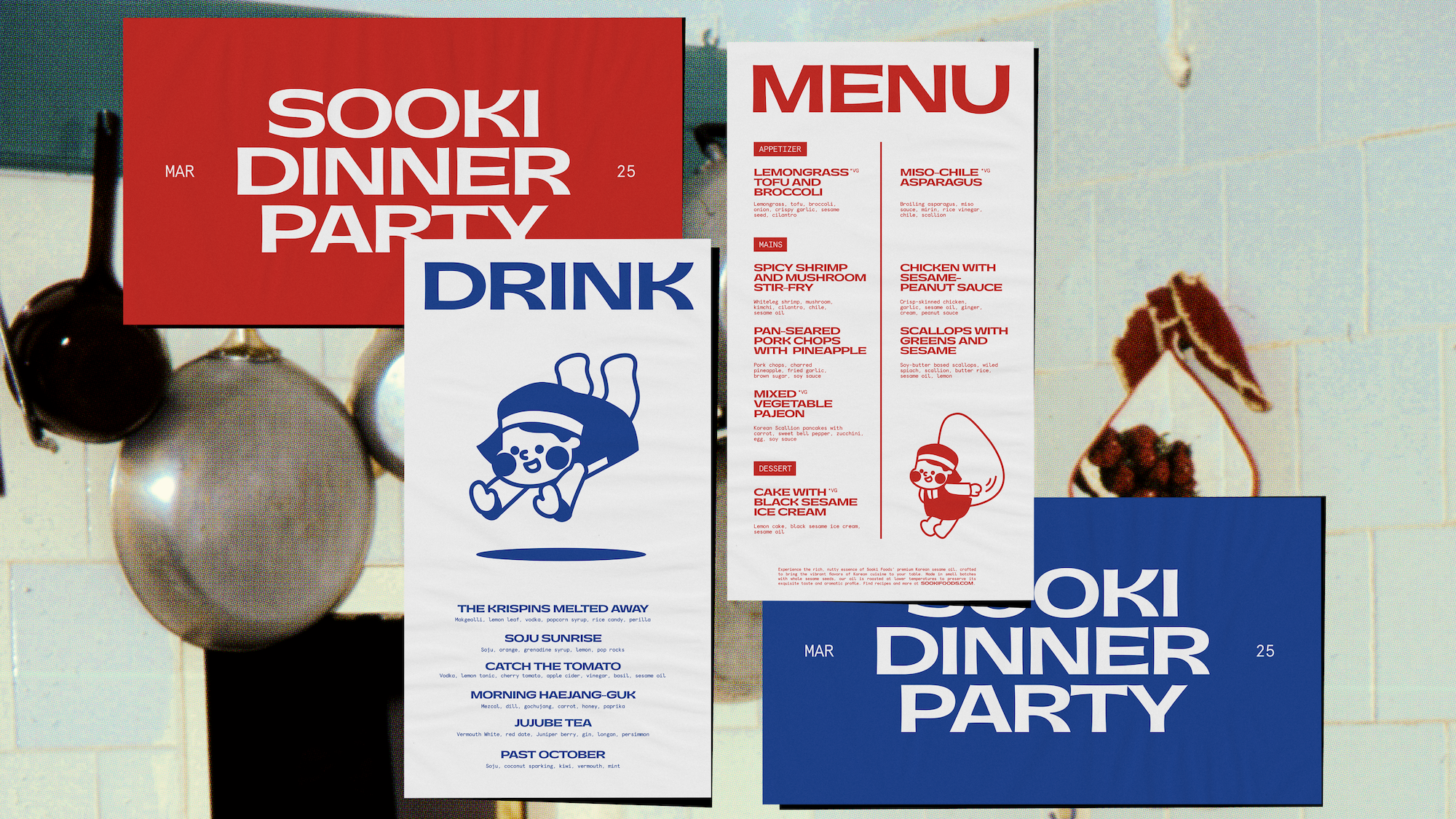
But it doesn’t go that far; it’s absolutely, resolutely, classy throughout. That’s thanks to the smart ways in which The Collected Works knows exactly when to pare things back. The colour palette, for instance: super simple, just a nicely vibrant, but not too bright red; a regal shade of darkish blue; and off-white.
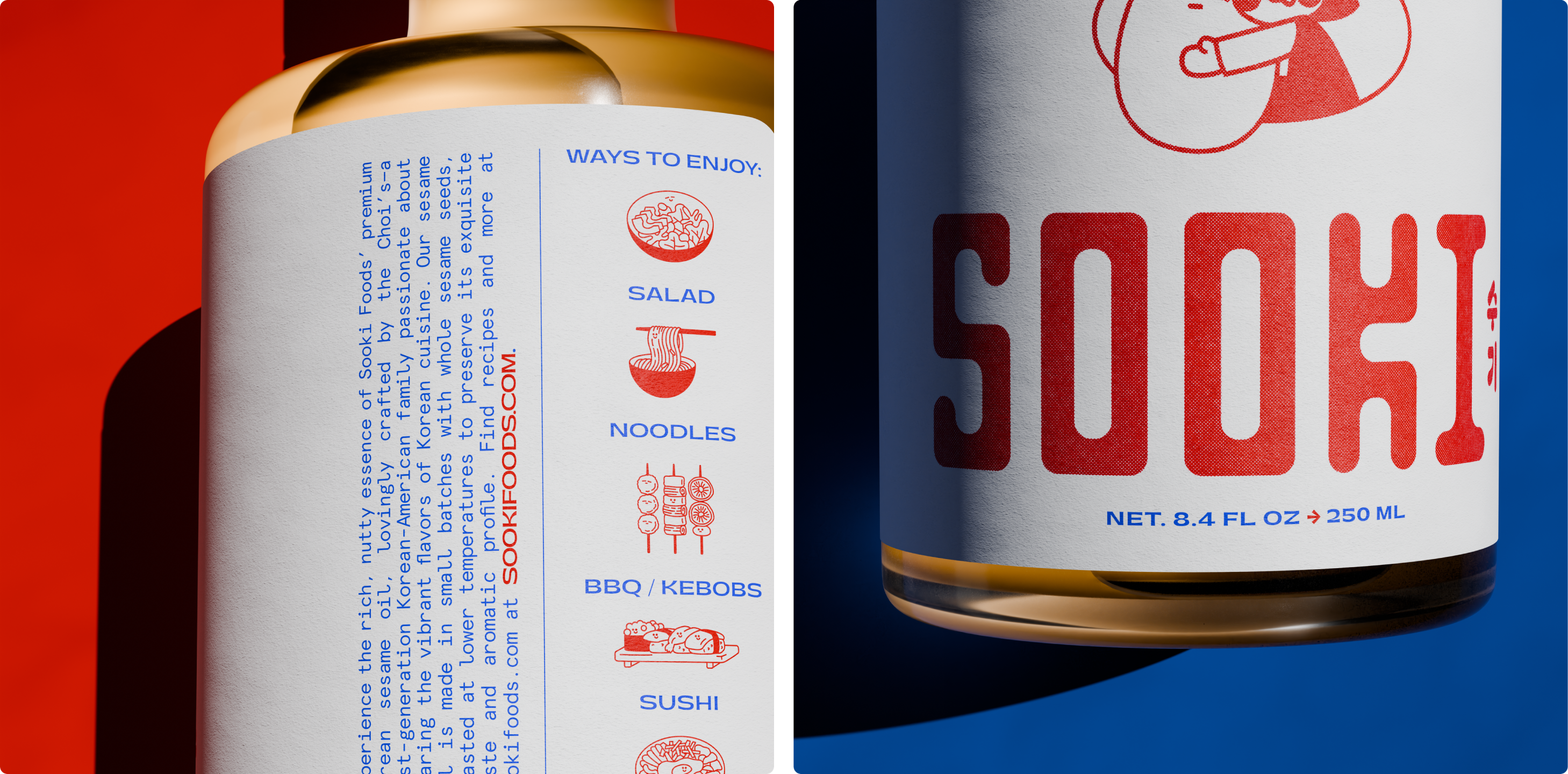
It’s also down to the lovely use of texture here: even in digital, 2D applications, the design feels like it’s begging to be touched. I can only imagine how sumptuous that is on the real-life, physical bottles and boxes, but it’s truly masterful.
The typography is also kept clear and straightforward: there’s that superb custom wordmark, all ink-ish long letterforms that reward you with something new in their curves and lines every time you look at them – at once super contemporary but with a feeling that they’re reverent to Korean heritage, too.
Elsewhere, The Collected Works opted to use Gatwick by Montreal-based type foundry Pangram Pangram. It works well – it’s far from your standard brand font, in that it doesn’t sit back in any way. Instead, Gatwick bears distinctively “tapered stems, sharp terminals, and exuberant details,” as its creators put it, giving the typeface “an exotic, extravagant character that immediately catches the eye of the reader.” It perhaps shouldn’t work, but it does.
All in all, the look and feel for Sooki is – to paraphrase some laconic 90s hipster type from that film Dig, the cult-classic sort-of-BJM/Dandy Warhols-documentary – “like, so retro, but so the future”.
It’s very much on-display, pantry-borne but also not – it’s a brand that would honestly look good absolutely anywhere.