Cute, curious and cuddly
Opinion by Emily Gosling Posted 16 April 2026
Fitness and health tracking apps are not generally known for their sense of fun. The likes of MyFitnessPal, while great in terms of functionality, for the most part, keep the design stuff resolutely serious, no-nonsense, and perfunctory.
Meanwhile the likes of Strava elicit joy through very few things, the main one being when people decide to run in a shape that forms a hilarious, crudely old-school playground-like dick-and-balls.
Germany-founded app Yazio, however, approaches things rather differently – or at least it does now, thanks to a comprehensive brand refresh courtesy of Global creative studio Koto (Fluz, Uniqode, Marblex).
According to Koto, Yazio is a nutrition and calorie-tracking app “built to make food logging simple, visual, and habit-forming, supporting weight loss, fasting, and everyday diet awareness”.
But in an increasingly crowded market, Yazio felt it was time for a shakeup brand-wise to avoid blending in and losing out to the competition. As such, the brand decided to introduce a new gamified product strategy to drive habit formation and went on to partner with Koto to “create an identity that could match this ambition and feel equally distinctive and engaging,” the agency continues.

There’s a lot to love with the new identity; yet there’s equally a hell of a lot that feels confusing. Koto says that the newly refreshed identity designs are underpinned by a strategy “centered on Good Dopamine, repositioning Yazio as a feel-good companion that makes habit-building feel like a win”.
This whole Good Dopamine throws me a bit: when and how is dopamine bad? Is ‘good dopamine’ the character, as a sort of pseudonym? Perhaps all that doesn’t matter, since it’s an underpinning strategic phrase more than an outward-facing element of the brand’s refreshed tone of voice, but still, puzzling.

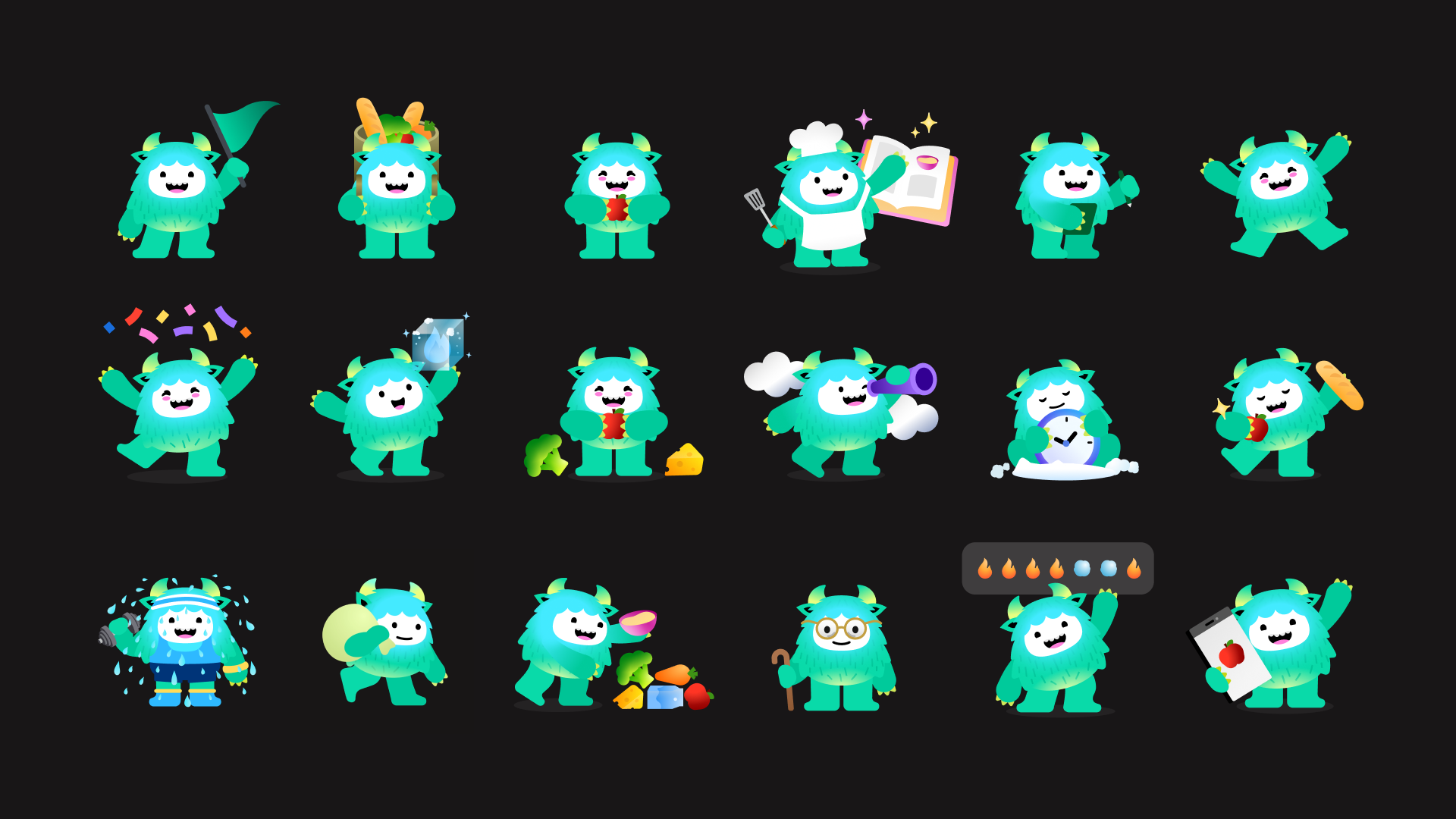
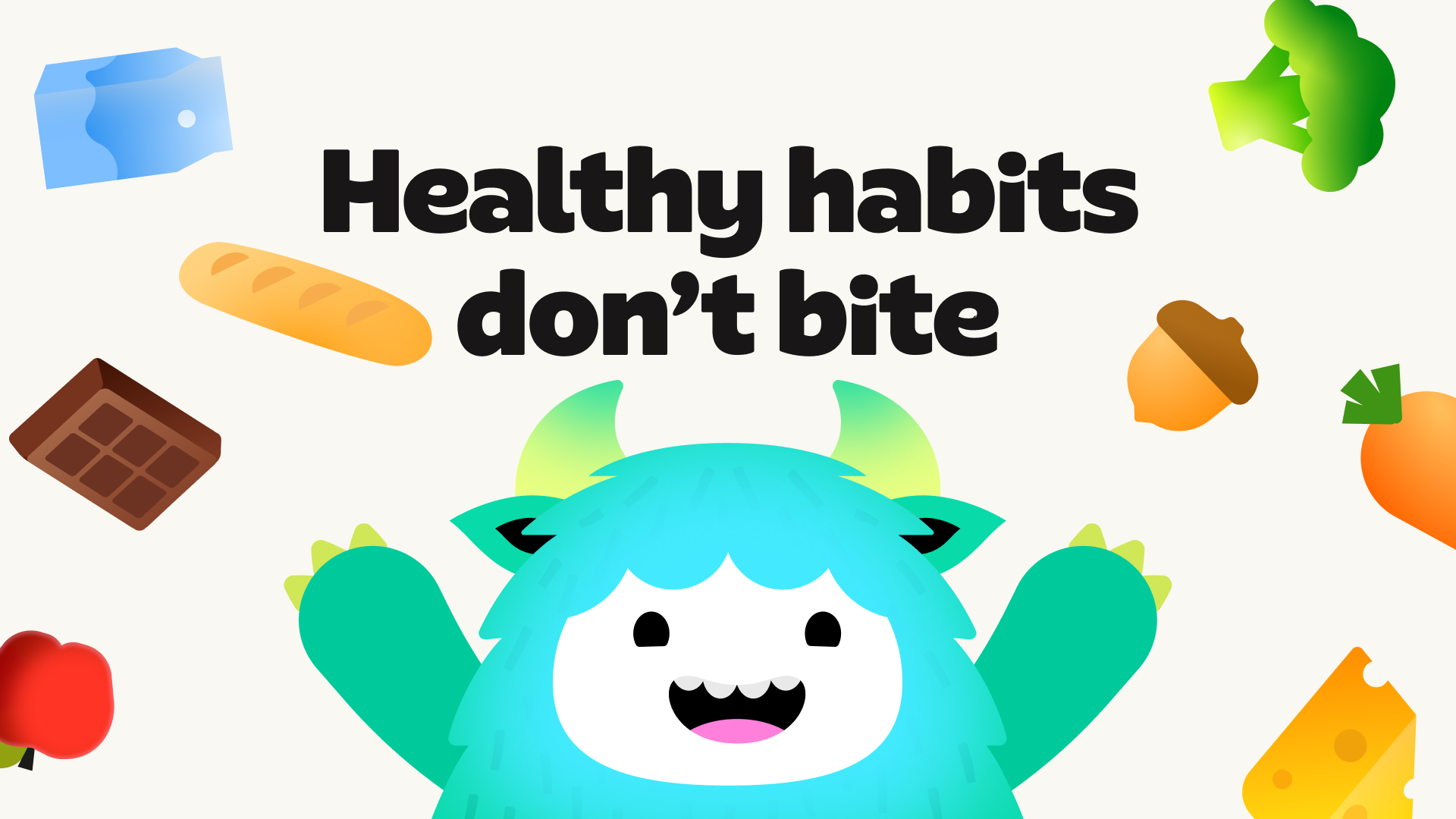
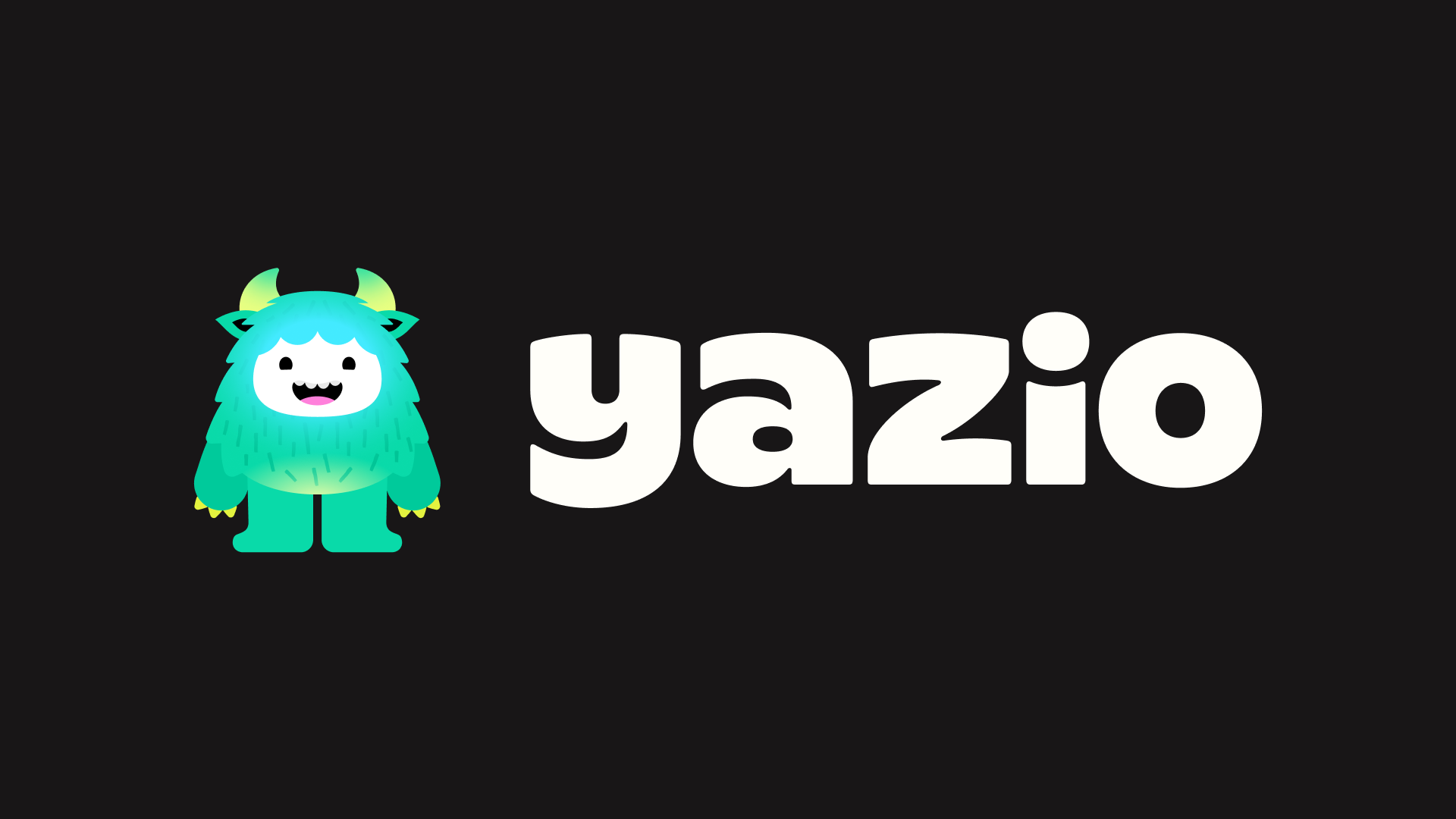
To really set Yazio apart from its vast sea of competitor apps, it was decided that a character would be introduced – the lumbering, endearing, encouraging and rather out-of-the-leftfield-choice of a yeti, called Yettie.
There’s no doubt this works on a number of levels – it’s certainly ownable, very different, very distinctive, very Yazio. Or, as Koto puts it, “Built to do real work, Yettie turns a crowded field of functional look-a-likes into a brand people can spot, feel, and stick with.”
But the hulking, clumsy form of a yeti doesn’t exactly smack of aspiration, or fitness, to me at least. Yes, it’s cute; but it feels so far removed from the idea of health as to feel rather bizarre in this context.
Perhaps it’s a bit like the owl of Duolingo, though – a creature not widely known for its mastery of multiple languages, but nonetheless a now-iconic symbol of a very widely used app (though in my opinion, one so irritating as to make the app almost unbearable, let alone terrible at teaching German. But I digress).
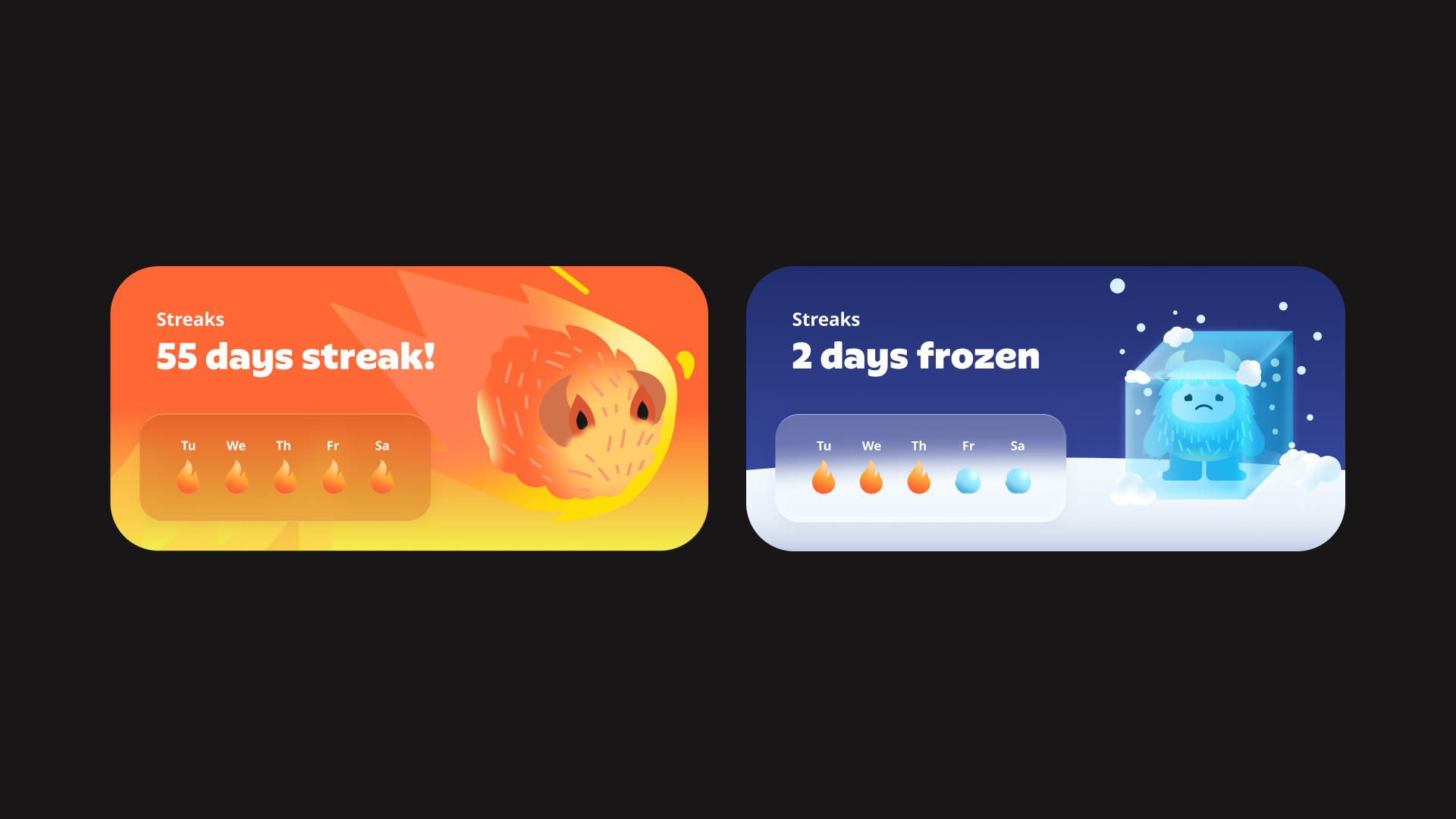
The Yettie character proves to be seamlessly flexible and useful however, with different variations of the character available for different user groups, and the character merging into a number of cute little icons used for both functional and illustrative purposes.
Koto created a number of illustrative “badges” that appear throughout the branding and the app itself, which the agency says are inspired by hiking patches. “Across recipes, product, and lifestyle, the art direction stays bright, positive, and relatable,” Koto explains. “Motion brings it all to life with spark, guided by three principles: Alive and responsive, Celebrating both big and small wins, and occasionally Burst into Brilliance.”
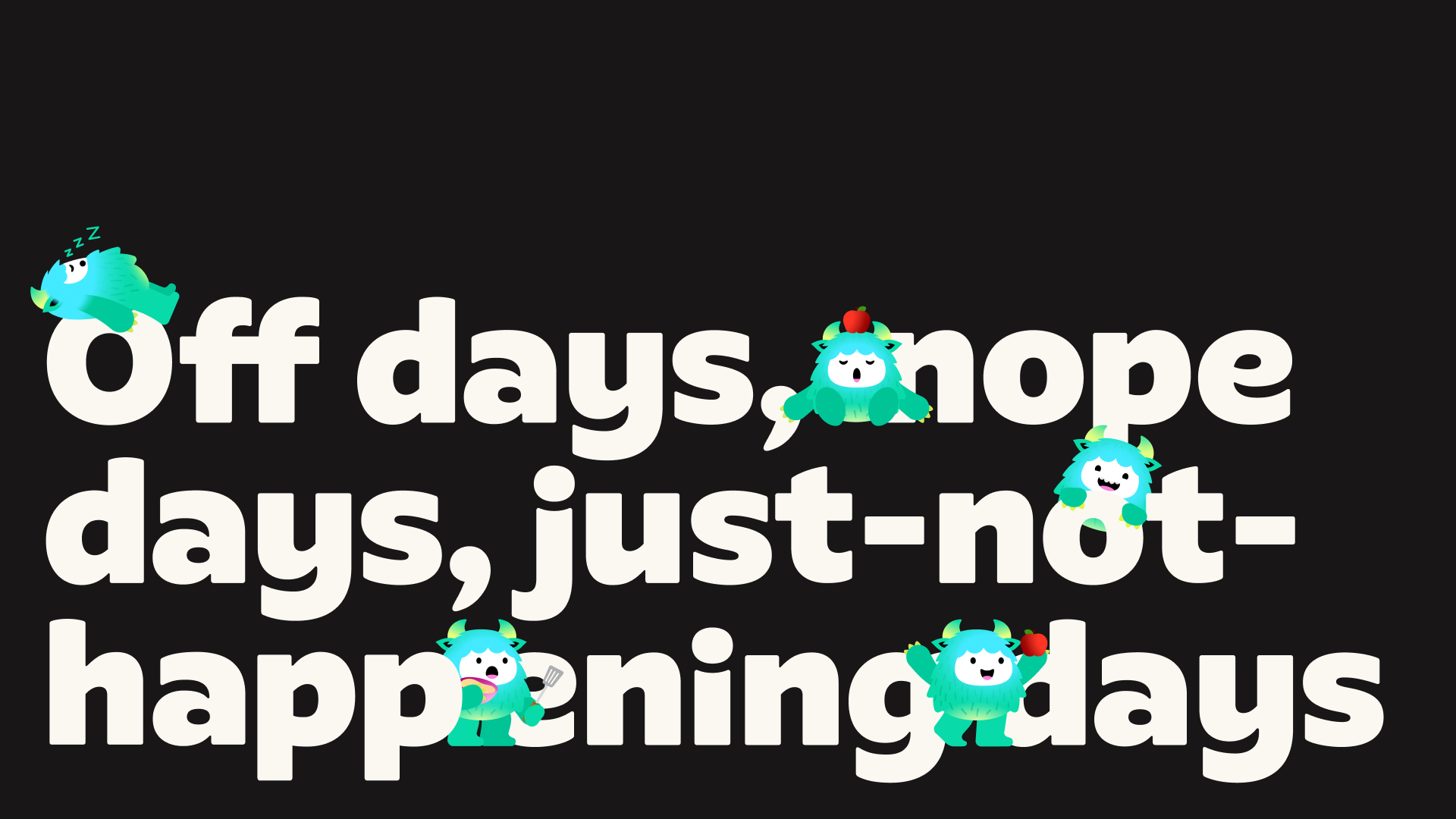
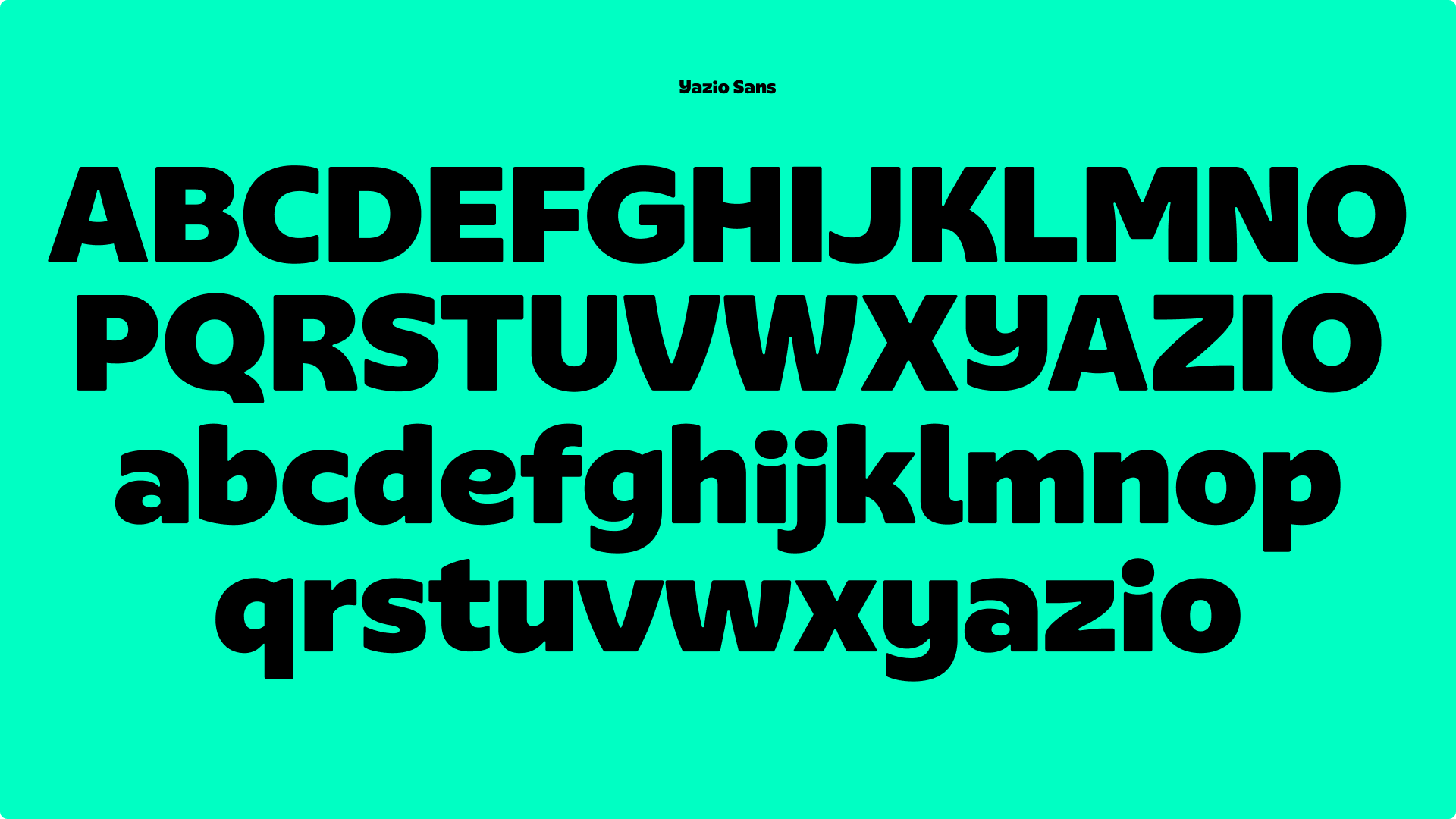
Despite my wariness around the suitability of a yeti, this redesign absolutely has its merits as a refreshingly lighthearted approach to its category. The typography is lovely – a custom font developed with Croatian foundry Hottype. It’s all big curves, friendly rounded edges, unusual little quirks and feels so totally part of the wider brand universe Koto has crafted – one that feels non-judgemental, friendly, approachable, and cuddly.
This is most evident in the wordmark, where the smile-inspired curves within the letterforms are most evident. Supporting copy is set in the more practical workhorse Google font Noto Sans.

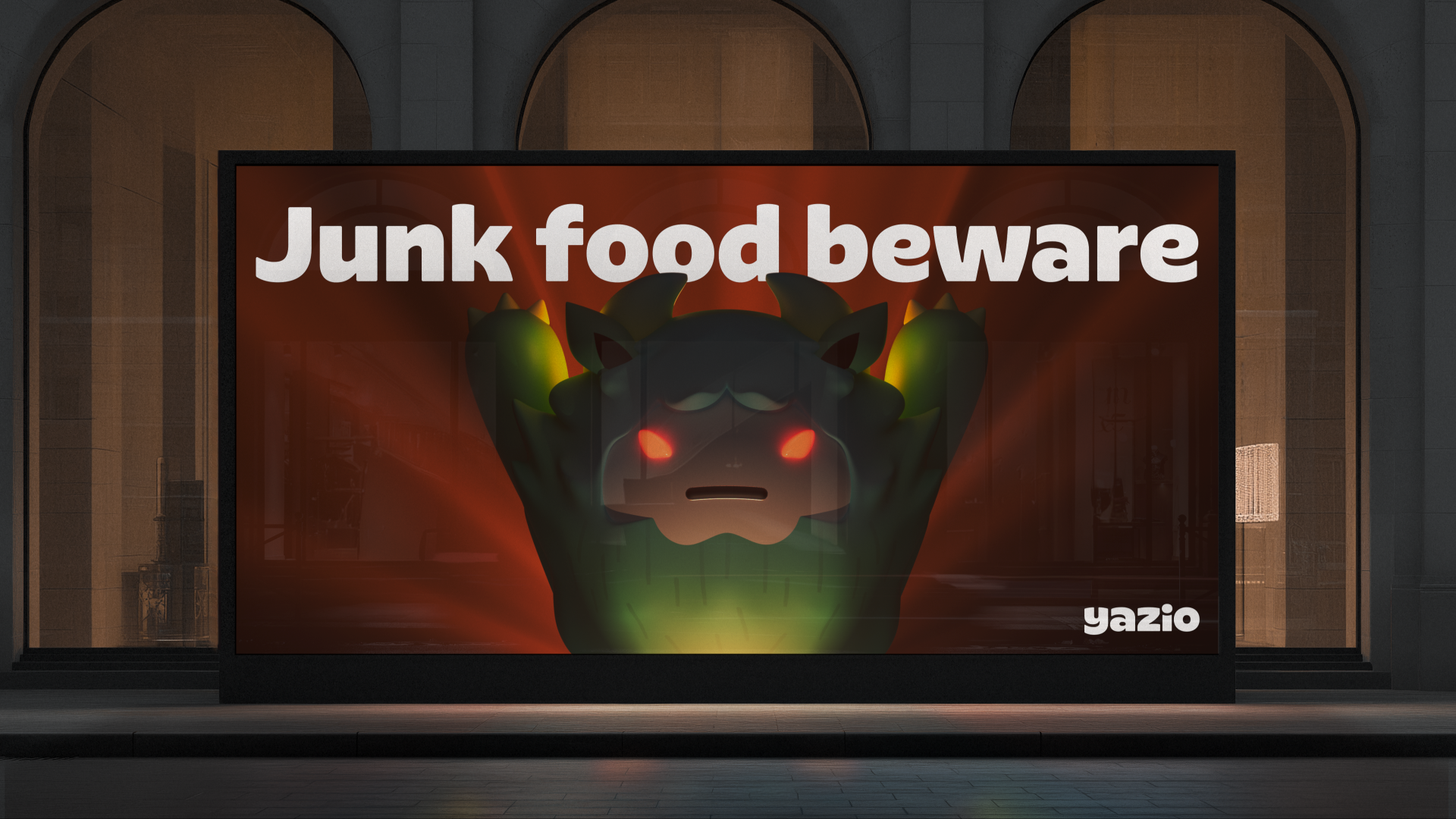
But it’s not cuddly to the point of daft: the identity also prioritises clarity and usability, two things that are absolutely crucial in making or breaking a platform like this.
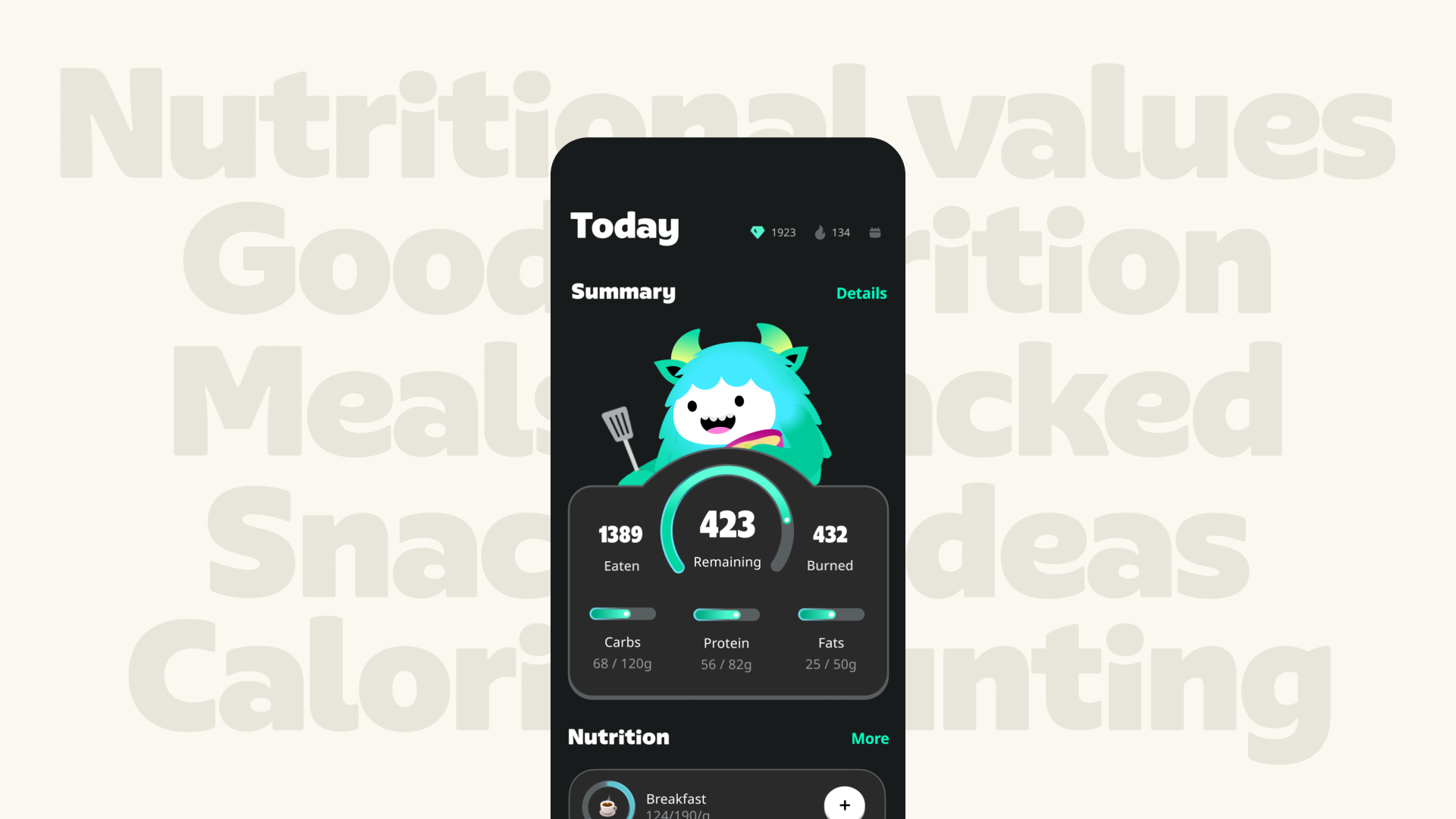
That clarity is largely down to keeping things like the colour palette stripped back and modern, using black and white for the most part with other splashes of colour coming from those on Yettie itself, all bright turquoises and gradients based around that central hue.
If gamifying fitness and nutrition was Yazio’s overarching aim, Koto has done brilliantly in bringing all that to life with a very encouraging, sweet feel to every aspect of the identity. In a much-needed contrast to the frequently cold, offputtingly macho-leaning vibe to so many fitness related products and tools,Yazio is cute, fun, lovable – and it’s a brand that feels unique, if strange and initially hard to get your head around.
But crucially, it’s playful – exactly the intention – and in Koto’s hands, I have no doubt Yettie will do just fine in helping users achieve their goals. It’s a bold move for a nutrition app to deviate so far from functionality and seriousness, but I think it works.